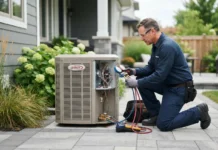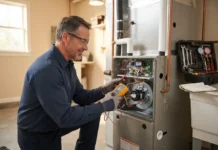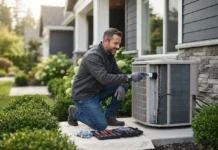
By the end of this hands-on guide you will have built a full, month-by-month HVAC preventative maintenance plan, completed the key homeowner maintenance steps, and know exactly which biannual and annual tasks to schedule with a pro. Expect 3–6 hours of homeowner work per year (plus two professional visits); skill level: basic mechanical aptitude and safe use of hand tools.
Introduction to HVAC Preventative Maintenance
hvac preventative maintenance is the proactive program of inspections, cleaning, testing and minor repairs designed to keep heating, ventilation, air conditioning and refrigeration equipment operating safely, efficiently and reliably. Think of it like a scheduled oil change and inspection for your house: routine attention prevents major breakdowns, reduces energy use, and extends equipment life. This introduction explains the benefits, the “why” behind yearly maintenance, and the core components every homeowner should understand before creating a schedule.
Benefits of HVAC maintenance include reduced emergency repairs, steadier indoor temperatures, improved indoor air quality, and lower monthly utility bills. According to a 2024 industry report, consistent maintenance can improve system efficiency by up to 15% and reduce failures by roughly 30% over five years. Regular checks also catch small issues—worn belts, clogged condensate drains, or refrigerant drift—before they cause compressor damage or refrigerant leaks that require costly remedial work.
HVAC reliability stems from three simple actions: replace and clean filters, inspect and clean coils and drains, and verify controls and refrigerant. Each action addresses a common failure path: filters prevent dust and lint from fouling evaporator coils and blower motors; coil cleanliness preserves heat transfer efficiency; and correct refrigerant charge plus calibrated controls ensure the system cycles normally without short-cycling or excessive run times.
Preventive work reduces energy consumption by restoring the system to near-design performance. For example, a clogged evaporator coil forces the compressor to run longer and draw more current. According to a 2024 energy-efficiency brief from an industry standards body, even a 10% drop in heat-exchange efficiency can increase energy use 5–12%—a direct cost to occupants. Beyond energy, maintenance supports safety: gas furnaces and combustion appliances require inspection to prevent carbon monoxide, and electrical inspections lower fire risk.
Across climates and system types—split systems, packaged units, heat pumps, ducted refrigeration—maintenance tasks overlap but timing and specifics vary. This guide balances homeowner-accessible steps (filter swaps, thermostat checks, vent cleaning) with professional-level procedures (refrigerant verification, electrical safety testing, compressor assessment). It also includes refrigeration-focused tasks for systems that tie HVAC with commercial or dedicated refrigeration equipment. With clear monthly and quarterly steps, plus a recommended biannual and annual professional plan, you’ll have a single, practical maintenance timeline to follow year-round.
For a deeper dive into air conditioner-specific procedures, see Air Conditioner Maintenance and Service Guide for Homeowners.
Overview of an Annual HVAC Preventative Maintenance Schedule
Below is a compact, month-by-month timeline you can print or paste on your fridge. It groups tasks into seasonal clusters to match wear patterns (spring prep for cooling season, fall prep for heating season). Tasks marked “PRO” require licensed technicians or certified refrigerant handlers.
- January – Winter check: Replace filters (if in forced-air heating mode), check thermostat scheduling, inspect indoor vents for obstructions. If you have a heat pump, clear outdoor unit of ice and snow; inspect defrost cycles.
- February – Low-load inspection: Run a quick system test (heat call for 15 minutes), check flue/venting on gas systems, inspect condensate lines for blockages.
- March – Pre-cooling season: Change filters, clean return grilles, check refrigerant system sight glass (visual), schedule spring professional tune-up.
- April – Spring professional service (PRO): Condenser coil cleaning, refrigerant leak test, electrical safety check, calibrate thermostat.
- May – System readiness: Schedule airflow test, check duct leaks around registers, ensure attic insulation and venting aren’t blocking airflow.
- June – Peak cooling start: Replace filters, inspect condenser area for debris, verify condensate drain is clear.
- July – Mid-summer spot check: Replace filters, check system pressures if you have gauges (DIY only if trained), monitor energy bills for spikes.
- August – Cooling season review: Replace filters, inspect insulation on refrigerant lines, make a note of any unusual noises for professional follow-up.
- September – Pre-heating season: Replace filters, reverse heat pump modes if applicable, schedule fall professional tune-up.
- October – Fall professional service (PRO): Furnace inspection and cleaning (if applicable), burner and heat exchanger check, gas valve and ignition check, duct inspection.
- November – System test before heavy heating: Run the furnace/heat and listen for unusual sounds, inspect outdoor unit for leaves and debris.
- December – Year-end audit: Replace filters, record total run-hours and energy consumption for the year, review maintenance log and plan next year’s schedule.
| Quarter | Key Homeowner Tasks | Professional Tasks |
|---|---|---|
| Q1 (Jan–Mar) | Filter swaps, thermostat schedule check, vent clearing | Pre-cooling inspection, refrigerant visual check |
| Q2 (Apr–Jun) | Condenser area clearance, mid-season filter swaps | Condenser coil cleaning, electrical safety check |
| Q3 (Jul–Sep) | Monitor energy use, replace filters monthly if dusty | Duct inspection, refrigerant top-up if leak repaired |
| Q4 (Oct–Dec) | Furnace run test, replace filters, clean returns | Furnace cleaning service, combustion and heat exchanger checks |
Transitioning from this schedule, the next section breaks the homeowner tasks into monthly and quarterly steps you can execute yourself with simple tools.
Monthly and Quarterly HVAC Maintenance Tasks for Homeowners
This section breaks tasks into practical, repeatable steps. Perform the monthly checks listed here; the quarterly items require a bit more time but still fit a homeowner’s skillset.
Before you start:
- Safety glasses and gloves
- Screwdrivers (Phillips and flat), nut driver set
- New filters (list sizes and MERV rating you plan to use)
- Shop vacuum with brush attachment
- Soft brush and coil-cleaning spray (household, non-caustic)
- Flashlight and magnet for screws
- Basic HVAC thermometer and battery-powered multi-meter (for safe voltage checks only)
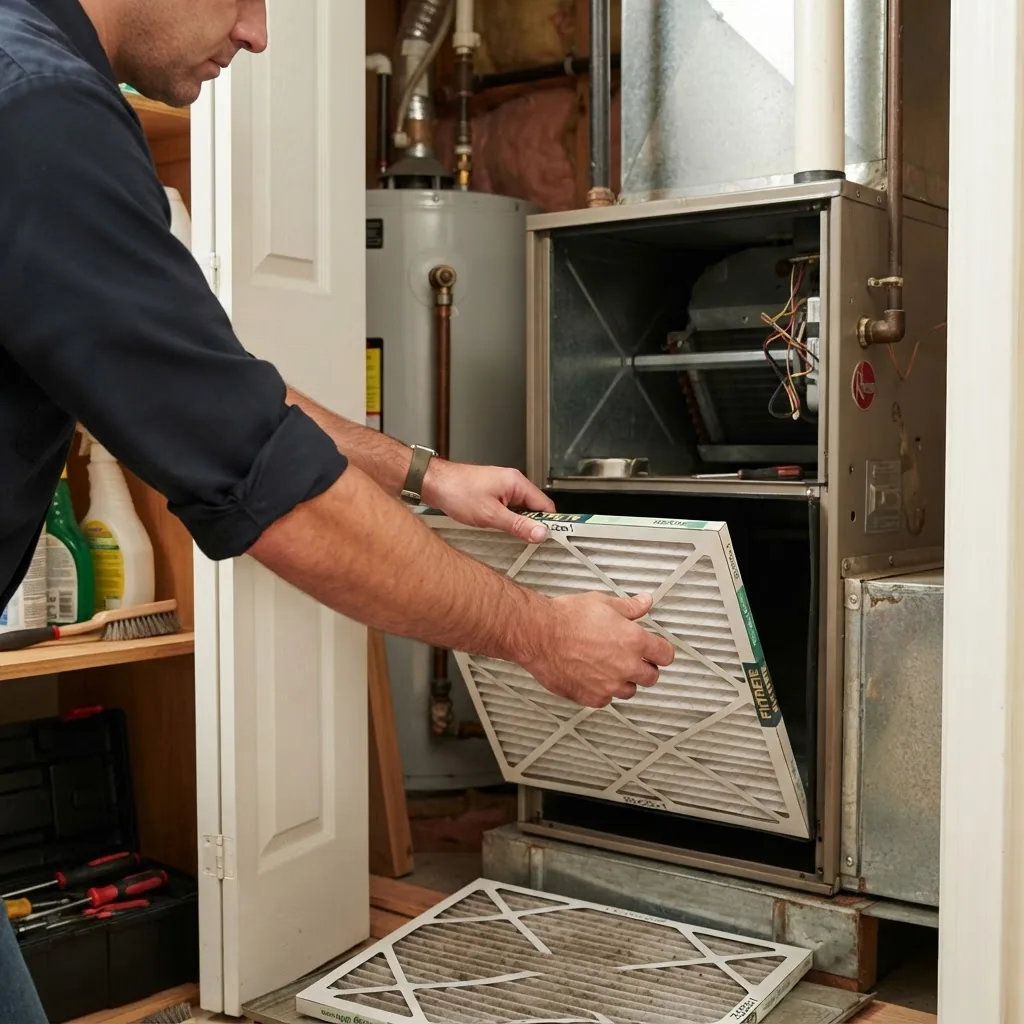
- Replace the air filter — Monthly or as specified: Locate filter and note size (e.g., 16x20x1). Turn off system at thermostat, slide out old filter, vacuum the slot, insert new filter with airflow arrow toward the furnace or air handler. Use MERV 8–11 for most homes; replace every 1–3 months or monthly in dusty conditions.
- Inspect and clean supply and return vents — Quarterly: Remove vent covers with screwdriver, brush out dust, vacuum duct entry 6–12 inches in. Tighten grille screws. For visible dust buildup deeper than 2″ inside register, schedule a duct inspection or cleaning service.
- Check thermostat settings and calibration — Quarterly: Verify scheduled setpoints and test by setting 4°F above/below ambient. If temperature readout differs by more than 2°F, recalibrate or replace batteries. For programmable and smart thermostats, confirm firmware and schedule rules.
- Clear condensate drain and trap — Quarterly: Locate condensate drain near air handler. With power off, flush 1 cup of white vinegar followed by water through the drain; use a wet-vac on the outdoor condensate termination if slow. If standing water remains, call a professional.
- Inspect outdoor unit area — Monthly during cooling season: Clear leaves, grass, and debris 24 inches around the condenser, trim vegetation back 12 inches. Check for nesting or rodent damage to fins and wiring; note bent fins for professional fin combing.
- Listen for unusual noises and monitor cycle times — Monthly: On a call, note startup and run times. Normal startup: 1–2 minutes to stabilize; normal run: 10–20 minutes in mild weather, longer in extremes. Frequent short-cycling (on/off cycles under 8 minutes) suggests a professional call.
- Check refrigerant lines insulation — Quarterly: Inspect foam insulation on suction line (large line). If insulation is brittle or missing over more than 6 inches, replace with UV-rated foam; if you see oil streaks, schedule a refrigerant leak check.
- Clean accessible evaporator and condenser surfaces — Quarterly (light) / Annually (full): With power off, brush loose dust from evaporator access panels and wipe the cabinet interior. For outdoor condenser, use a garden hose (low pressure) to rinse fins from inside out; do not use a power washer.
- Record runtime, energy use, and issues — Monthly log: Track thermostat setpoints, runtime hours (if available), and energy bill deviations. This log informs professionals and supports cost-benefit analysis.
- Seasonal carpet and home cleaning to reduce dust load — Quarterly: Use house cleaning tips and follow the cleaning home guide to reduce particulate load that shortens filter life and clogs coils.
Transition: after becoming comfortable with homeowner steps, add the biannual and annual professional tasks to complete your preventative program.
Biannual and Annual Professional HVAC PM Service Tasks
The professional inspection and service tasks below require licensed technicians, certified refrigerant handlers, or both. These are the heavier-lift procedures that preserve compressor life, ensure electrical safety, and comply with refrigerant regulations.
Electrical Safety and Controls Inspection
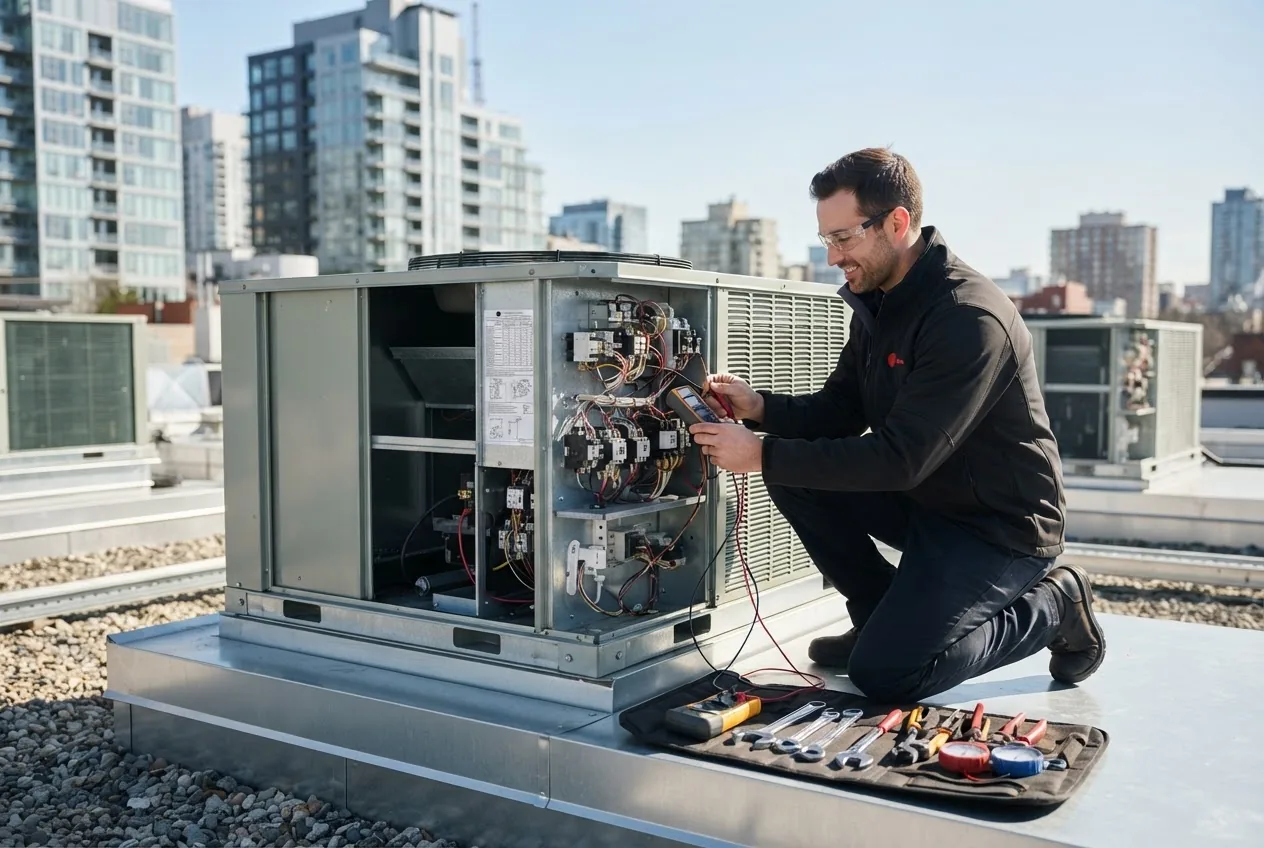
A licensed technician will perform torque checks on electrical connections, inspect contactors and relays, test capacitors and motors with a meter, and measure starting amperage. They will also verify that safety switches (float, high-pressure) operate correctly. According to a 2024 industry standards summary, electrical faults are a leading cause of HVAC failures in older systems—professional tightening and replacement of failing capacitors reduces emergency calls by an estimated 22%.
Condenser and Evaporator Coil Cleaning
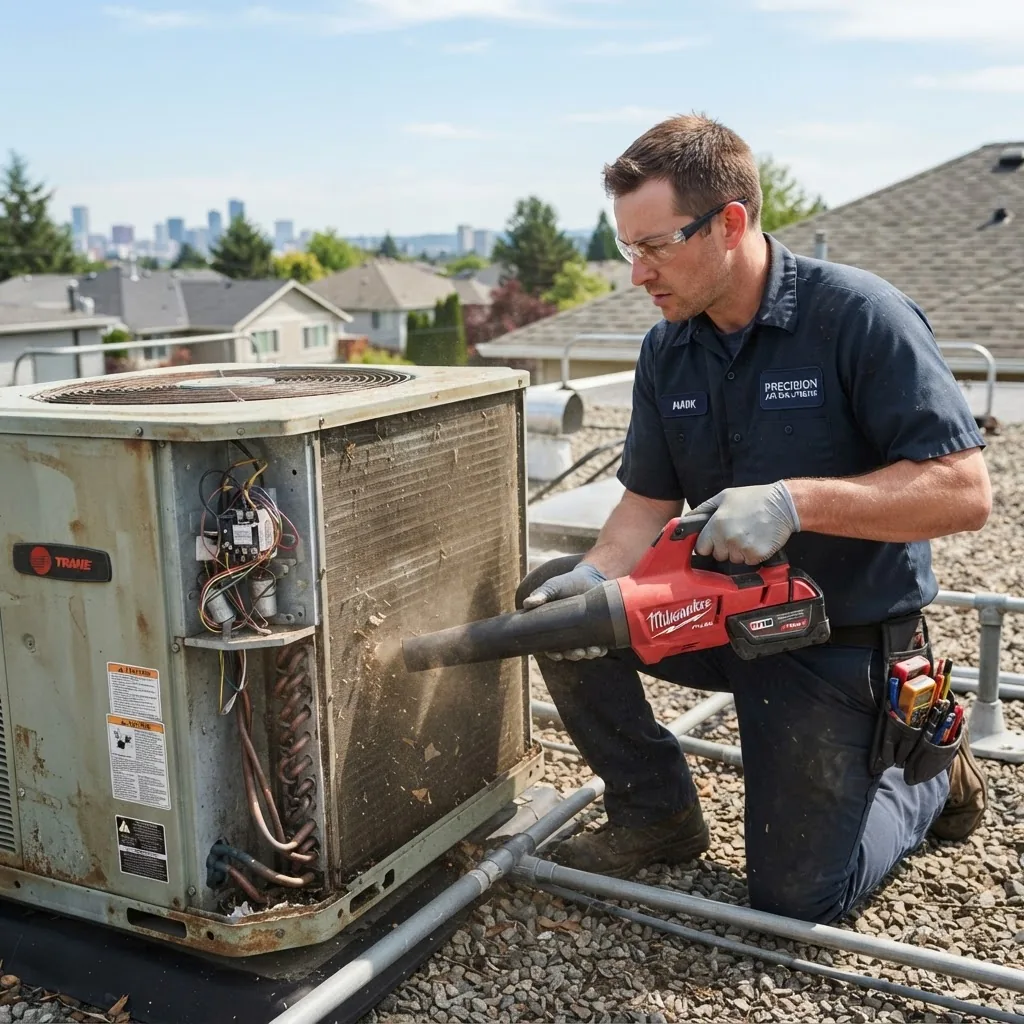
Coil cleaning uses chemical coil cleaners (non-acid for aluminum), rinsing, and fin straightening. Technicians remove debris, apply coil cleaner, let it dwell 5–10 minutes, and rinse from inside-out on indoor coils and out-in on condenser coils. Manufacturer guidelines often specify coil-cleaning intervals—follow your unit’s manual. Coil cleaning restores heat-transfer performance; according to a manufacturer guidance note, dirty coils can decrease efficiency by up to 20%.
Refrigerant System Service and Leak Management
Professionals check pressures with gauges, compare readings to manufacturer temperature-pressure tables, and evaluate superheat/subcooling as applicable. If a leak is suspected, they perform an electronic or dye-based leak search, repair piping or fittings, evacuate air, and recharge to the OEM specified charge. Per EPA regulations, refrigerant handling must be done by certified technicians—see the EPA refrigerant handling rules at https://www.epa.gov/section608.
Airflow and Ductwork Inspection
Technicians measure static pressure and airflow across coils and can identify duct leakage points >15% of design that justify sealing. If insulation on ducts is damaged or flex ducts are kinked, they recommend repairs. Duct cleaning is advised when visible dust or microbial growth is present; otherwise targeted sealing and insulation improvements provide better efficiency gains.
To learn about service agreement options, consult HVAC maintenance plans and service options.
Furnace and Combustion Appliance Service
For gas furnaces and boilers, professional PM includes burner cleaning, gas valve inspection, flame sensor cleaning, heat exchanger inspection for cracks, and CO testing. If you use a gas heater, see gas heater maintenance for specifics.
For furnace-specific services, professionals can provide a furnace cleaning service that includes soot removal and blower motor lubrication where applicable.
Compressor and Mechanical Inspections
Technicians inspect for oil contamination, measure valve operation, and verify amp draw at startup and running. For larger commercial compressors, vibration analysis and oil sampling may be done annually. These tasks protect the single most expensive component: the compressor.
Documentation, Recommendations and Energy Analysis
Professionals provide a maintenance report, including run-hours, pressures, measured amps, and recommended repairs. This document supports warranty compliance and helps you track the system’s lifespan. For guidance on professional repair integration, see professional aircon maintenance.
For installation and contractor selection matters beyond routine PM, review professional aircon servicing and installation.
Transition: with professional and homeowner tasks defined, the next section covers refrigeration-specific and commercial considerations that often intersect with HVAC systems.
Special Considerations for HVAC and Refrigeration Preventive Maintenance
HVAC often overlaps refrigeration systems—especially in split systems, heat pumps, refrigerated cases, or commercial rooftop units. Here are focused subsections for refrigeration-related PM and commercial HVAC nuances.
Refrigerant Leak Detection and Repair
Refrigerant is the working fluid enabling heat transfer. A leak reduces cooling capacity and causes the compressor to overwork. Professional leak detection methods include electronic sniffers, ultrasonic detectors, and fluorescent dyes. Per EPA and manufacturer guidelines, only certified technicians may handle refrigerant; DIY refrigerant recharge is not compliant with regulations and risks environmental harm. See EPA guidance: https://www.epa.gov/section608.
Commercial Condenser Maintenance and Condensate Management
Commercial condensers often have multiple circuits and require more frequent coil cleaning—typically twice yearly. Pay attention to defrost cycle settings on refrigeration equipment; incorrect defrost timing can cause ice buildup and reduced heat rejection. Verify condensate pan heating or secondary drains to avoid overflow and microbial growth.
Defrost Controls and Heat Pump Considerations
On heat pumps, defrost control settings should be checked to ensure they engage at expected intervals and ambient temperatures. If defrost frequency increases markedly, inspect for low refrigerant or restricted airflow. Adjust defrost termination controls per manufacturer tables.
Compressor Protection and Oil Management
Compressor health depends on correct refrigerant charge, clean oil, and no moisture in the system. For hermetic compressors, monitor amp draw and discharge pressures. For systems over ten years old, plan for oil analysis or contingency budgeting for compressor replacement (compressor replacements often cost 30–60% of a new system install).
Regulatory Compliance and Refrigerant Transition
Regulatory changes (phase-outs of certain HFC refrigerants) may affect service options and replacement costs. According to a 2024 industry regulation update, some older refrigerants are subject to tighter leak repair and reporting thresholds; discuss long-term refrigerant strategy with your technician.
Transition: these refrigeration and commercial items are technical—next we quantify how routine PM extends lifespan and saves money.
How Preventative Maintenance Extends HVAC System Lifespan and Saves Costs
Routine maintenance pays back through fewer breakdowns, lower energy consumption, and deferred capital expense. Below are concrete metrics, a short case example, and cost-benefit considerations to help you budget for PM.
Statistics and expected impacts:
- Energy efficiency improvement: According to a 2024 industry report, preventive maintenance can improve system efficiency by 8–15%.
- Repair reduction: According to a 2024 industry insurer summary, homes with scheduled maintenance experienced 25–35% fewer emergency HVAC repairs over a 5-year period.
- System lifespan extension: Industry maintenance studies indicate properly maintained equipment often reaches 15–20% longer service life; for a typical 12-year system, that’s +1.8–2.4 years.
Case study (practitioner example): A 10-year split-system in a suburban home recorded annual gas and electric HVAC costs of $1,650. After instituting regular quarterly filter changes and annual professional tune-ups, measured energy use dropped 10% the next year, saving $165. The technician also caught a small refrigerant leak that, if left unchecked, would have required a compressor replacement costing an estimated $2,400. The repair cost of $320 for leak repair and recharge saved the homeowner an immediate high-cost failure.
Cost breakdown (typical ranges, 2024 market data):
| Service | Typical cost range |
|---|---|
| Homeowner filter and basic checks | $50–$200/year (filters and basic supplies) |
| Professional tune-up (per visit) | $90–$200 (residential) |
| Refrigerant leak repair and recharge | $200–$800 depending on complexity |
| Major repairs (compressor) | $1,500–$4,000+ |
Calculate ROI: If annual preventative work (filters + 2 pro visits) costs $400 and saves $165/year plus avoids one major $2,500 failure within five years, the preventative program yields clear net savings and lowers variance in maintenance budgets.
For government-backed efficiency guidance, consult the U.S. Department of Energy HVAC resources at https://www.energy.gov/energysaver/maintaining-your-air-conditioner.
Transition: knowing the benefits and savings, recognize the signs that indicate immediate attention so you can act before minor issues become major failures.
Common Signs Your HVAC System Needs Immediate Attention
- Unusual noises — grinding, banging, rattling, or hissing during startup or operation.
- Poor airflow — weak flow at vents or cold spots indicating blower or duct problems.
- Inconsistent temperatures — rooms overheating or underheating despite thermostat settings.
- High energy bills — unexpected month-to-month increase without change in use.
- Frequent cycling — system turns on and off rapidly (short-cycling), often under 8 minutes per cycle.
- Visible refrigerant oil stains or frost on refrigerant lines — possible leak.
- Water leaks — condensate overflow or pan leaks near the indoor unit.
- Burner flame discoloration or a strong gas smell near combustion appliances.
- Tripped breakers or warm electrical panels — potential electrical fault.
When repairs are needed beyond preventative work, see furnace repair and maintenance for next steps.
Transition: many of these issues can be prevented or detected early with safe DIY routines described next.
DIY HVAC Preventative Maintenance Tips and Safety Precautions
Homeowners can perform many tasks safely when they follow protocols. Below are clear steps and safety caveats, plus when to stop and call a professional.
Tools you’ll need: gloves, eye protection, screwdriver set, replacement filters, coil-cleaning spray (non-caustic), wet/dry vacuum, flashlight, and a basic thermometer.
- Shut power before working: Always turn off the system at the thermostat and isolate power at the service disconnect or breaker. Verify off with the unit display or by attempting to start the system via thermostat after switching off—no startup should occur.
- Replace filters correctly: Use filter sizes stamped on the cabinet. Install with airflow arrow pointing toward the equipment. For dusty homes, use monthly changes; otherwise every 3 months. Do not fit filters loosely; leaving gaps reduces effectiveness.
- Vacuum and wipe panels: Remove access panels only as far as necessary, vacuum accessible dust, and replace panels securely. Do not touch refrigerant lines or exposed wiring.
- Clear condensation drains: Flush 1 cup of white vinegar through the condensate line quarterly and rinse with water. If slow or backed up, use a wet vac on the outdoor termination; persistent blockages need a pro.
- Outdoor condenser care: Clear a 24-inch radius around the unit, spray fins gently with low-pressure water from inside out, and straighten bent fins with a fin comb if you have one. Don’t use household chemicals or power washers that can damage fins.
- Thermostat maintenance: Replace batteries annually, update schedule programming, and clean the mounting surface. For older thermostats, consider upgrading to a programmable or smart thermostat for better efficiency.
- Safety caveats: Do not attempt refrigerant charging, electrical contactor replacement, compressor work, or gas valve adjustments. These require certification and specialized tools. Some tasks are illegal for unlicensed people in many jurisdictions because of refrigerant handling rules.
- Tools and materials note: Keep replacement filters on hand (3–6 per year depending on your schedule), a small coil brush, and an outdoor condenser cover for winter storage in heavy-snow climates.
For related maintenance that affects HVAC (water intrusion, roof runoff), check gutters cleaning service.
When work exceeds safe DIY limits, consult professional aircon servicing and installation.
Transition: below are common practitioner mistakes I’ve seen and how to avoid them.
Common mistakes and how to avoid them
I once saw a homeowner use a power washer on a condenser coil to “save money” — the fin damage reduced unit performance and required a costly replacement. I’ve also seen filters loosely taped into place, allowing bypass and dirty coils. Finally, homeowners sometimes add refrigerant charges without leak repair; that only masks a leak and damages compressors.
- Misusing power washers: always use low-pressure rinse to avoid fin and coil damage.
- Improper filter fit: measure and install properly; tape is not a substitute for a correct-size filter.
- Charging without repair: never add refrigerant without addressing leaks; it increases system failure risk.
- Delayed condensate care: ignored drains lead to overflow and microbial growth—flush quarterly.
Checklist: Verify Your Work
- Filters replaced and correctly installed (note filter size and MERV).
- Vents and returns cleaned and unobstructed.
- Outdoor unit clear of debris 24″ radius and condensate drains flowing.
- Thermostat batteries and schedules verified.
- Maintenance log updated with dates, run-hours, and any anomalies.
- Professional tune-ups scheduled for spring and fall (or annual as appropriate).
When to Call a Professional
Call a licensed technician if you encounter refrigerant leaks, compressor failure signs, electrical faults (tripped breakers, warm panels), persistent condensate backups, flame instability on gas appliances, or if the system short-cycles frequently despite clean filters. For warranty, refrigerant, and safety compliance, rely on certified professionals.
For a step-by-step on professional repair expectations, see professional aircon maintenance.
Transition: final thoughts and next steps to implement a yearly plan.
Conclusion and Next Steps for Effective HVAC Preventative Maintenance
By following this annual schedule and applying the homeowner steps, you’ll maintain comfort, improve energy efficiency, and reduce the risk of costly emergency repairs. Start by setting calendar reminders: filter swaps monthly, two professional tune-ups annually (spring and fall), and a maintenance log to document work and costs. For service agreements and options, review HVAC maintenance plans and service options to find the level of coverage that matches your risk tolerance and budget. If you’re not comfortable performing any DIY step, schedule a single professional diagnostic visit to learn what you can safely do and what should be left to the pros.
Next step: print the month-by-month schedule above, order the filters you need for the year, and book a spring tune-up now to enter the cooling season with confidence.