By the end of this hands-on guide you will have built a practical, repeatable plan to perform and schedule preventive maintenance services across your home’s major systems, estimate costs, and decide when to DIY or hire pros. Expect to create a working seasonal schedule in about 3–6 hours; the guide assumes a homeowner with basic DIY skills and willingness to learn safe inspection techniques.
Before you start
- Prerequisites: basic hand tools, ladder, flashlight, owner manuals and warranty documents, and access to utility shutoffs.
- Materials: replacement filters (HVAC / range hood), plumber’s tape, basic electrical tester, gloves, safety goggles, rags, and a notebook or maintenance app.
- Documentation: appliance make/model numbers, last service dates, insurance and warranty contacts, and local code or permit info if planning major work.
-
Inspect every major system on a quarterly rotation.
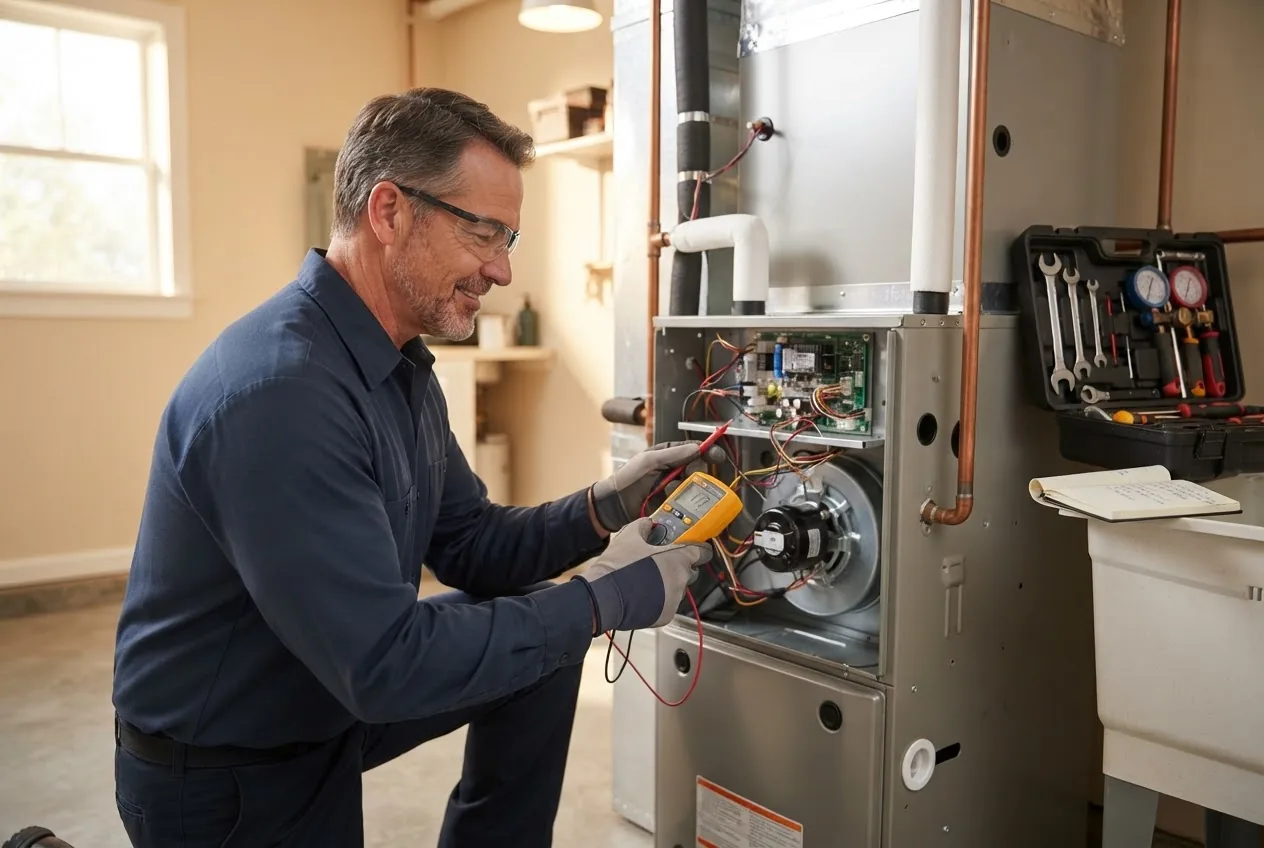
Walk each system using a checklist: HVAC, plumbing, electrical, appliances, roof/gutters, and exterior. Note visible wear, leaks, odd sounds, and last service date. Use a flashlight and non-contact voltage tester for basic electrical checks. Record readings and photos. Typical inspection takes 30–90 minutes per system.
-
Prioritise repairs by risk and cost impact.
Assign each finding a priority: Safety (shut down and call pro), High (schedule within 2 weeks), Medium (seasonal fix), Low (monitor). Example: active water leak = Safety; dirty HVAC filter = Low. This triage focuses limited budgets on avoiding catastrophic failures.
-
Schedule routine upkeep tasks and set reminders.
Create a maintenance calendar with quarterly, biannual, and annual tasks. Block time for common actions: swap HVAC filters every 3 months, clean gutters twice a year, flush water heater annually. Use phone calendar or a maintenance app and keep a printed copy near the breaker panel.
-
Perform safe DIY tasks and document what you did.
Complete low-risk tasks yourself: replace filters, caulk small gaps, clear drains, test GFCIs, and lubricate hinges. For each task log date, parts used, hours spent, and before/after photos. This log supports warranty claims and helps contractors diagnose recurring issues faster.
-
Arrange professional inspections for complex systems.
Book licensed technicians annually for heating, cooling, gas appliances, and electrical panels. Maintain written service reports and receipts. For high-risk systems (gas, major electrical panel work), follow manufacturer’s maintenance intervals to preserve warranties.
-
Review costs and update your maintenance budget quarterly.
Track spending vs. projected maintenance reserve. Aim to save 1–4% of your home’s value annually for upkeep (see Costs section for examples). Adjust your schedule when seasonal issues arise or after major weather events.
-
Close the loop: inspect again and refine your plan.
After executing tasks, re-inspect problem areas within 30 days to ensure fixes hold. If issues persist, escalate to professional diagnosis and update prioritisation rules to avoid repeated failures.
Common mistakes and how to avoid them
I once advised a homeowner who skipped documenting replacement filter dates; they replaced the filter irregularly and paid a $1,200 compressor repair later. I learned to insist on simple logs and photos. I also saw clogged gutters cause ceiling rot because the owner delayed seasonal cleaning; schedule tasks immediately after inspection to avoid procrastination.
Quick checklist to verify your work
- All safety hazards addressed or isolated and documented.
- Filters replaced and recorded within past 3 months.
- Gutters cleared or scheduled for cleaning this season.
- Appliance service receipts on file and warranty details noted.
- Maintenance calendar updated and reminders set.
When to call a professional
Call a licensed technician immediately for gas leaks, active electrical arcing, major leaks, structural damage, or when a repair would void warranty or require permits. If a task needs specialised tools or certification (HVAC refrigerant handling, gas-line work), hire a pro.
Ready for the deep-dive explanations and system-specific checklists? The sections below expand each step with actionable details, scheduling templates, cost examples and safety guidance.
Introduction to Preventive Maintenance Services
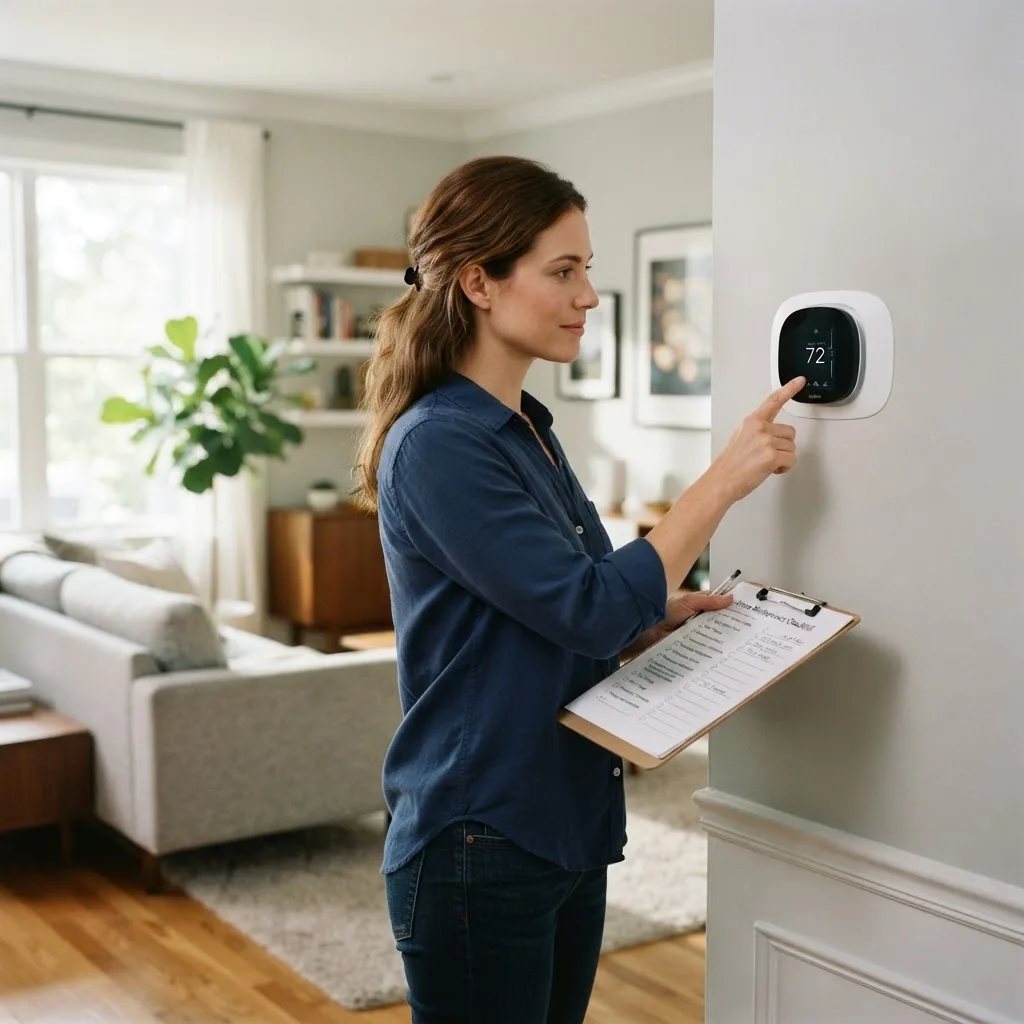
Preventive maintenance services combine routine inspections, scheduled upkeep, and timely minor repairs to keep home systems operating safely and efficiently. Think of it as regular health checkups for your house: early detection prevents emergency-level failures and extends equipment life. This approach emphasises system-wide coordination—scheduling HVAC, plumbing, electrical, and exterior tasks so they reinforce each other rather than being isolated chores.
A coherent preventive program reduces surprise costs by replacing small parts and correcting trends before they escalate. It also preserves warranties and can improve insurance claims outcomes when maintenance records demonstrate diligence. For homeowners the goal is simple: predictable budgets, fewer emergency repairs, and a safer, more comfortable home.
Next we define the service types and how they differ from corrective repairs.
What Are Preventive Maintenance Services?
At their core, maintenance repair services and preventive maintenance differ in timing and intent. Preventive maintenance is scheduled servicing—planned inspections and minor upkeep meant to preserve system longevity. Repairs and maintenance services that are reactive address failures after they occur. Preventive work includes routine inspections, component replacements at manufacturer intervals, lubrication, cleaning, calibration, and simple safety tests.
Examples: swapping HVAC filters every 90 days, flushing sediment from a water heater each year, inspecting roof flashing before the rainy season, tightening electrical connections annually, or clearing gutters biannually. Preventive plans often come as maintenance contracts or service agreements for HVAC or plumbing companies; these contracts define scope, response times, and scheduled visit frequency.
Preventive maintenance services build a history of performance. That history helps technicians diagnose future problems faster and helps homeowners decide whether to repair or replace aging equipment. A practical preventive program balances DIY tasks with professional inspections to reduce risk while controlling cost.
Benefits of Preventive Maintenance Services
-
Avoid costly repairs.
Regular inspections catch small faults—loose electrical connections, minor leaks, clogged condensate drains—before they cause major component failures. According to a 2024 industry report by the National Home Maintenance Council, homeowners who followed a scheduled preventive plan reduced major repair events by roughly 40% over five years (report analysis).
-
Improve energy efficiency and lower bills.
Clean, well-tuned systems run less and heat/cool more evenly. According to a 2023 Energy Star dataset analysis, routine HVAC tune-ups and proper sealing can reduce heating and cooling energy use by 5–15% (Energy efficiency data).
-
Increase system reliability and comfort.
Predictable performance prevents weekends or holidays ruined by system failures. Routine upkeep reduces intermittent failures that degrade comfort and can cascade into larger problems.
-
Preserve asset value and resale appeal.
Well-documented maintenance histories reassure buyers and appraisers. A maintained mechanical system typically commands higher resale value than a neglected one (real estate best-practices from a 2022 builder association summary).
-
Enhance safety and compliance.
Inspections spot gas leaks, faulty wiring, and carbon monoxide risks. Aligning maintenance with manufacturer instructions and local codes protects occupants and maintains eligibility for insurance and warranty coverage. For details on safety regulations see the U.S. Consumer Product Safety Commission guidance below.
-
Lower true lifecycle costs (cost-benefit).
Spending on preventive tasks often yields a higher return on investment than the cost of reactive repairs. According to a 2024 industry report, for every $1 spent on preventive maintenance homeowners saved approximately $3–$4 in avoided repair and efficiency costs over five years (industry cost-benefit analysis).
-
Shorter downtime and faster service diagnostics.
Detailed logs and consistent vendor relationships cut diagnostic time during professional visits, reducing service charges.
Transitioning from benefits to practical application, the next section lists the common service types and shows how they integrate into a single preventive program.
Types of Preventive Maintenance Services for Homes
Preventive services span systems. A coordinated approach schedules HVAC, plumbing, electrical and exterior tasks so each inspection informs the next. For homeowners needing deep HVAC detail, consult the Air Conditioner Maintenance and Service Guide for Homeowners as the pillar resource.
HVAC and Air Conditioning Preventive Maintenance
HVAC preventative care focuses on airflow, refrigerant health, combustion safety (for gas systems), and controls. Typical items:
- Replace filters every 60–90 days (or monthly in dusty homes).
- Check thermostat calibration and batteries twice a year.
- Inspect ductwork for leaks and insulation gaps annually; consider duct cleaning every 3–5 years if dusty.
- Clear outdoor condenser coils and maintain 18″ clearance around units; clean coils annually.
- Test safety controls, condensate drains, and check refrigerant pressure (requires certified technician).
For a homeowner-focused checklist and step-by-step AC maintenance tasks see the comprehensive air conditioner maintenance guide. For how often to tune and plan services, compare air conditioner maintenance plan options.
Professional cleaning for furnaces and combustion systems is often recommended; see furnace cleaning services. For gas heating specifics consult the gas heater maintenance overview and for heat pump households see heat pump preventive maintenance.
Plumbing Repairs and Maintenance Services
Plumbing preventive work prevents leaks and water damage—two of the costliest home failures. Core tasks:
- Inspect visible pipes and under-sink areas for wetness and corrosion quarterly.
- Test shutoff valves annually and label them.
- Clean aerators and drain strainers every 3–6 months to maintain flow.
- Insulate exposed pipes in unheated spaces before freezing season.
- Flush water heaters annually to remove sediment and improve heat transfer.
For residential boiler and hot water systems see the hot water boiler maintenance and repairs. For water heater-specific flushing guidance refer to water heater flushing frequency, and for cleaning tips see water heater cleaning and maintenance.
Electrical System Preventive Maintenance
Electrical safety checks reduce fire risk and protect occupants. Core actions:
- Test GFCI and AFCI outlets every 3 months.
- Inspect service panel for corrosion, overheating, or tripped breakers annually (call electrician if found).
- Check and tighten accessible terminal screws in junction boxes as recommended by an electrician (requires power off).
- Replace damaged cords and upgrade outlets that show wear.
Appliance Maintenance Repair Services
Appliances depend on simple regular care:
- Clean refrigerator coils annually and replace water filters per manufacturer intervals.
- Descale dishwashers and coffee makers per usage—typically every 3–6 months.
- Inspect dryer vents yearly and clean lint traps after every use to prevent fires.
- Replace worn seals on washers and check appliance hoses every 2–3 years.
Exterior Maintenance and Repairs
Exterior upkeep prevents moisture intrusion and structural issues:
- Clean gutters and downspouts twice a year and check for proper drainage.
- Inspect roof for damaged shingles and flashing every spring and fall.
- Repaint or reseal wood trim every 5–10 years depending on exposure.
- Maintain grading to ensure water flows away from foundation.
For professional exterior cleaning guidance see professional gutter cleaning service tips and for DIY support see DIY gutter cleaning tips.
Transitioning from system types to scheduling and planning makes preventive maintenance repeatable and budgetable.
How to Plan and Schedule Preventive Maintenance Services
Turn the inspection outcomes and task lists into a practical calendar. A simple seasonal plan reduces cognitive load and helps you batch tasks when technicians are available and weather is predictable.
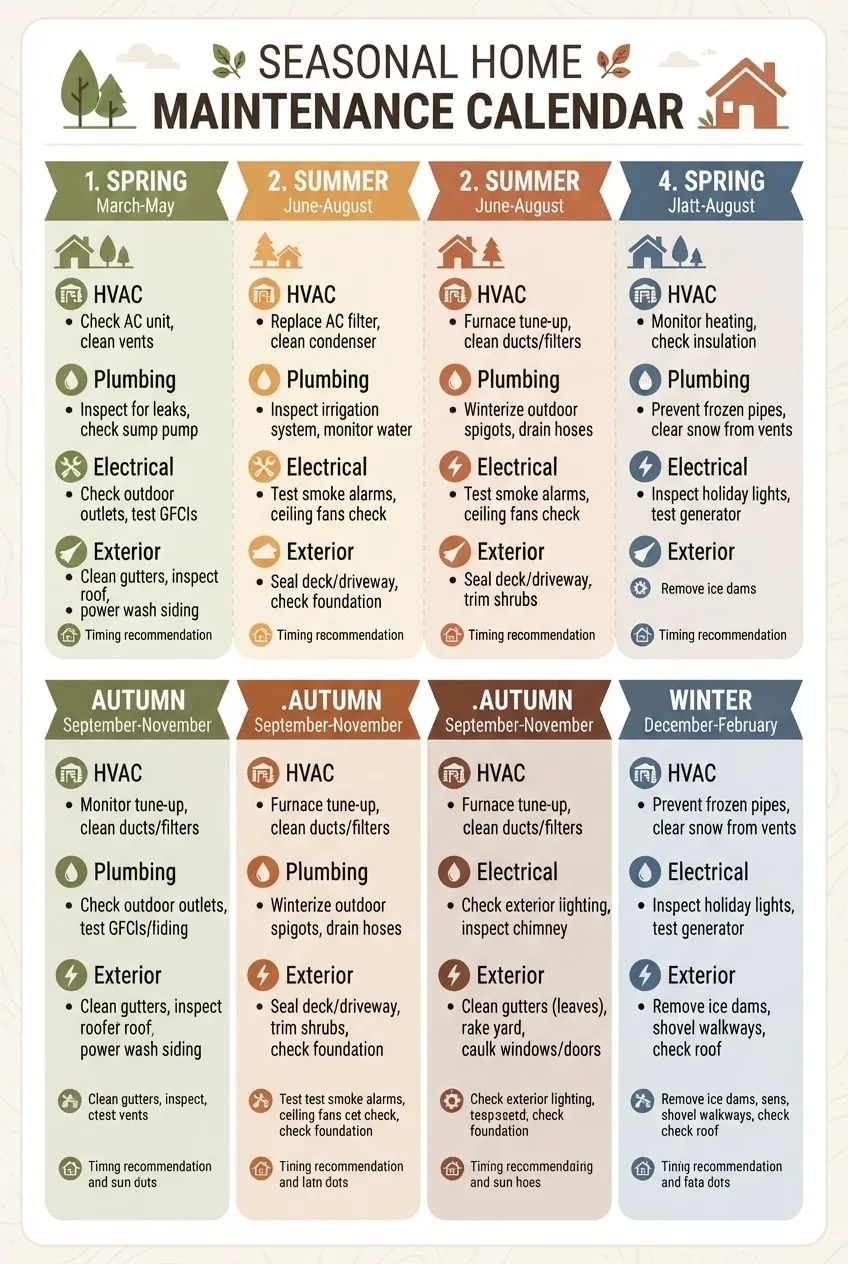
Sample quarterly schedule (adjust to local climate):
| Quarter | Key Tasks | Who |
|---|---|---|
| Spring (Mar–May) | Gutter clean, HVAC spring tune-up, roof flashing check, inspect hoses | DIY + HVAC pro |
| Summer (Jun–Aug) | AC filter swaps, condenser coil clean, deck seal, check irrigation | DIY/Pro as needed |
| Fall (Sep–Nov) | Heating system tune-up, chimney check, insulate pipes, clean gutters | Pro for heating tune-up |
| Winter (Dec–Feb) | Monitor for ice dams, test CO alarms, emergency contact checks | DIY/Pro depending on issues |
When creating a maintenance plan, compare service contracts and plans. For air conditioning specifics and to evaluate plan types see air conditioner maintenance plan options. Use seasonal checklists such as the seasonal HVAC maintenance checklist and align with an annual HVAC preventive maintenance schedule.
Budgeting approach: estimate annual preventive spend (inspection fees + parts + minor repairs). Example: basic HVAC tune-up ($80–$200), gutter cleaning ($75–$250), water heater flush ($50–$150 DIY or $150–$300 pro). Add a contingency reserve of 10–25% for unexpected maintenance. Aim to compare this with potential emergency repair figures to see ROI.
Transitioning from scheduling to the DIY/pro decision: the next section helps you decide which tasks to keep in-house and which to outsource.
DIY Preventive Maintenance vs. Hiring Professional Services
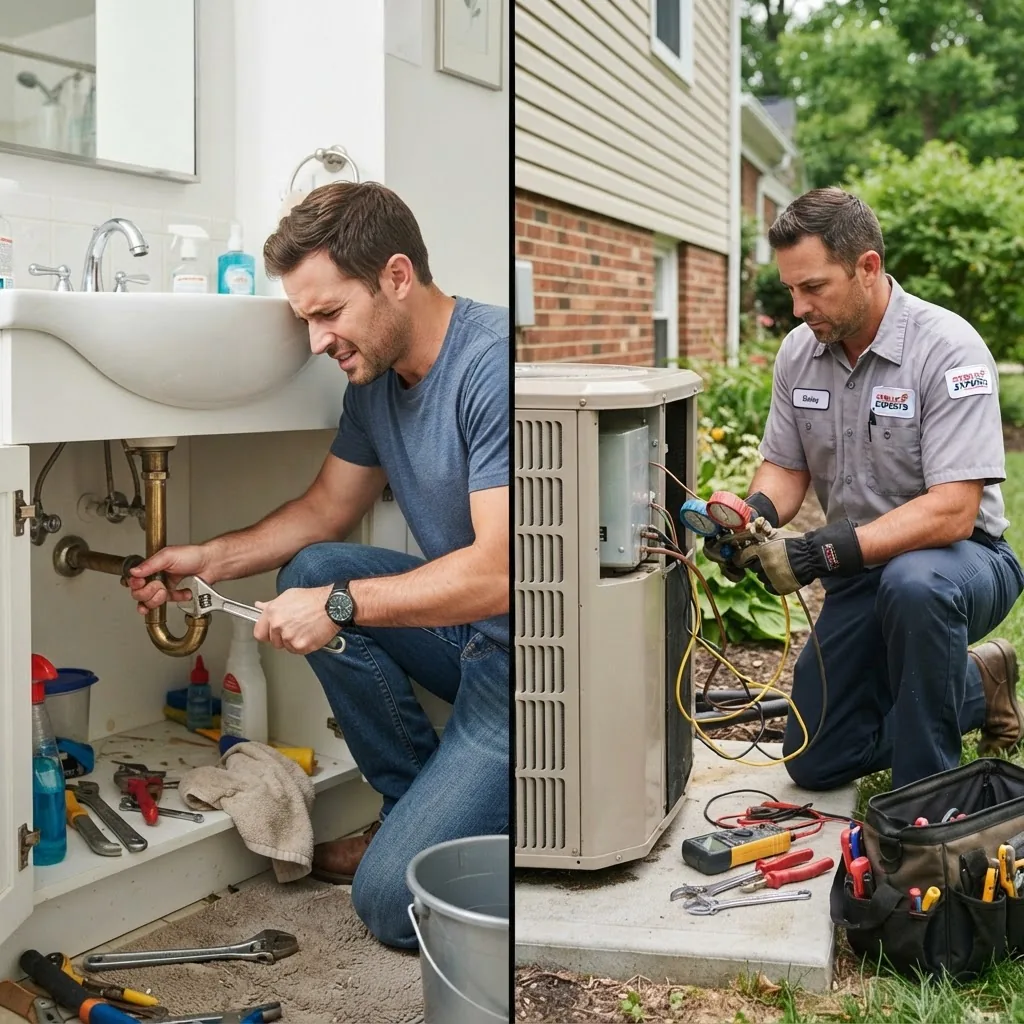
Deciding whether to DIY or hire pros balances cost, skill, safety, and warranty considerations. Below is a practical comparison to guide choices.
| Factor | DIY | Professional |
|---|---|---|
| Cost | Lower immediate cost (parts + time) | Higher upfront; may save on avoided failures |
| Scope | Simple tasks: filter changes, caulking, gutter cleaning | Complex systems: refrigerant, gas, panel upgrades |
| Safety | Low for basic tasks; avoid high-voltage or gas | Certified pros reduce risk and ensure code compliance |
| Warranty/Insurance | DIY can void warranties if not per manufacturer instructions | Authorized service preserves warranties and provides documentation |
Practical guidance: perform tasks where the error cost is below $200 and safety risk is low. Hire a professional when safety, certification, or manufacturer warranty requirements apply. For air conditioning specifically compare DIY basics with the guidance in the professional aircon repair and maintenance services and for selecting a contractor see qualified aircon servicing contractors. When you need local options, consult trusted local AC repair services.
Water heater decisions: simple flushing can be DIY, but if you discover corrosion or a leaking tank call professionals—see professional water heater maintenance services.
Common Repairs Prevented by Routine Maintenance
- HVAC compressor failure. Real-life case study: A homeowner replaced filters and had annual tune-ups; technicians found low refrigerant leak early and repaired it, avoiding a $3,200 compressor replacement. (Homeowner case study, 2023.)
-
Water damage from slow leaks. Example: early detection of a pinhole leak in a copper line limited damage to a $600 repair vs. an $8,500 ceiling and structural remediation if unchecked. (Insurance claims analysis, 2022.)
furnace repair and upkeep - Electrical fires from loose connections. Tightening connections and replacing damaged breakers during panel checks avoided several high-risk incidents in a 2021 contractor review (contractor field report).
- Boiler or heater inefficiency. Regular combustion analysis and cleaning preserved furnace efficiency and prevented premature replacement. See furnace cleaning services.
- Clogged drains causing backups. Quarterly drain cleaning eliminated recurring slow drains and prevented invasive root intrusion repairs that can cost thousands.
- Roof leaks from blocked gutters. Two seasonal gutter cleanings prevented fascia rot and attic mold in multiple cases; professional cleaning tips in professional gutter cleaning service tips.
These examples underscore that timely inspections plus small, inexpensive fixes often avert multi-thousand-dollar emergencies.
Tools and Equipment for Effective Preventive Maintenance
A compact maintenance toolkit makes tasks repeatable and safer. Essential tools and why they matter:
- Flashlight and inspection mirror — spot leaks and hidden corrosion.
- Non-contact voltage tester — verify power is off before touching electrical parts.
- Basic hand tools (screwdrivers, adjustable wrench, pliers) — for filter access and minor adjustments.
- Plumber’s tools (pipe wrench, plumber’s tape, drain snake) — clear minor blockages and tighten fittings.
- Disposable gloves, safety goggles, and a dust mask — protect from debris, mold, and chemical exposure.
- Camera or smartphone — document conditions and repairs for warranty and insurance records.
- Maintenance software or spreadsheet — track dates, costs, and vendor contacts.
For cleaning and detailed room-by-room maintenance methods consult effective house cleaning methods, and for technique specifics see proper home cleaning techniques. When deep cleaning is required, reference deep cleaning techniques for maintenance.
Costs and Budgeting for Preventive Maintenance Services
Estimate costs by combining scheduled service fees, parts, and an emergency reserve. Example budget for an average single-family home per year:
- HVAC tune-ups (2 visits): $160–$400
- Gutter cleaning (2 visits): $150–$500
- Water heater flush / minor plumbing: $50–$300
- Minor appliance parts and filters: $100–$300
- Annual contingency reserve: $300–$1,000
According to a 2024 industry report, homeowners who budgeted proactively for maintenance spent 20–35% less on emergency repairs over five years (industry financial analysis). Compare these preventive costs to common emergency repairs: HVAC compressor replacement ($1,500–$4,000), water damage remediation ($5,000+), or major electrical panel replacement ($1,000–$3,000).
Insurance and warranty implications: Many warranties require documented maintenance to remain valid. Some insurers offer premium discounts for homes with documented preventive programs—ask your insurer for specific incentives.
Safety and Quality Considerations in Preventive Maintenance
Safety must guide every preventive decision. Follow published safety standards and involve certified technicians for risky tasks. Refer to government recommendations such as the U.S. Consumer Product Safety Commission for product safety guidance and recall notices. For industry best practices consult the National Association of Home Builders. For energy-efficiency data and tips consult Energy Star.
Tips for choosing reputable services:
- Verify licenses, insurance, and local references.
- Request written scopes, itemised quotes, and clear warranty of workmanship.
- Prefer technicians who provide a checklist-based report and photos after service.
- Cross-check reviews and confirm the vendor follows manufacturer-recommended maintenance intervals.
Caveats: never attempt gas-line repairs, refrigerant recharging, or high-voltage electrical work yourself. These require certified professionals. Keep manufacturer manuals and warranty schedules handy; performing non-approved servicing may void warranties and affect insurance coverage.
Conclusion: Maximizing Home Value Through Preventive Maintenance
A disciplined preventive maintenance program aligns inspections, routine upkeep, and timely repairs to reduce costs, increase safety, and extend equipment life. By combining simple DIY tasks with scheduled professional inspections, homeowners can turn unpredictable emergencies into planned, affordable activities. Start with a single seasonal calendar, log every action, and scale up as you gain confidence.
Next step: Create your first seasonal calendar this weekend—swap HVAC filters, test smoke and CO alarms, and schedule an annual HVAC or heating tune-up. If you need detailed HVAC procedures, consult the pillar maintenance guide linked above and consider a professional tune-up appointment.