By the end of this hands-on guide you will have a complete, prioritized routine maintenance plan, a set of step-by-step inspection procedures, and a checklist you can use monthly and seasonally. Expect to spend 3–6 hours setting up the plan and 1–3 hours per month maintaining it; skill level: basic DIY with clear safety limits.
Before you start
- Prerequisites: basic ladder safety knowledge, ability to shut off water and power at main switches, a dedicated notebook or digital log.
- Essential tools & PPE: gloves, safety goggles, flashlight, adjustable wrench, pipe tape, multimeter, outlet tester, ladder (6–12 ft depending on home), cleaning rags.
- Materials to have on hand: replacement filters, basic plumbing sealant, silicone caulk, spare batteries for detectors, drip pans, bucket.
Core routine work follows these numbered directions; each major system below contains detailed, step-by-step procedures you can follow on the schedule you set up in Step 2.
- Plan your maintenance calendar — map monthly, quarterly and seasonal tasks (see the schedule section below).
- Inspect high-risk systems — plumbing, electrical, roof/gutters, appliances with the checklists provided.
- Perform simple preventive fixes — tighten, clean, lubricate, replace consumables and log actions.
- Escalate to professionals — when tests, smells, leaks, or failing safety devices appear, call trained pros (guidance in the hiring section).
- Record and budget — keep a running maintenance ledger with dates, parts, and costs; set aside 1–3% of home value annually for upkeep.
Understanding Routine Maintenance and Its Importance
Think of routine maintenance as the regular oil change for your home: small, scheduled tasks that prevent big, costly failures later. Routine maintenance covers recurring inspections, cleaning, minor repairs and record-keeping that extend equipment life, improve safety and preserve property value.
Key stat block
- According to a 2024 industry report from the U.S. Department of Housing and Urban Development, preventative upkeep reduces major repair likelihood by ~30% over five years. HUD
- According to a 2023 energy study from the U.S. Department of Energy, regular appliance and system maintenance can lower energy costs 5–15% annually. DOE
- Best-practice checklists and inspection standards are outlined by trusted inspection organizations such as InterNACHI. InterNACHI
Beyond costs and energy, routine maintenance reduces safety risks like leaks, electrical faults, and structural water damage. Next, we’ll convert those benefits into a practical calendar you can use right away.
Creating a Comprehensive Routine Maintenance Schedule
A reliable schedule divides tasks by frequency and season, so nothing critical is overlooked. Use a digital calendar or a printed wall chart and set reminders for the tasks below.
- Create your annual master calendar — Block two half-days per season: late winter, early spring, mid-summer and early fall for more time-consuming work (gutter clearing, roof inspection, seasonal system checks).
- Monthly checklist — tasks: test smoke/CO detectors, inspect visible plumbing for drips, clean range hood filter, clear dryer lint trap, check HVAC filter (replace if dirty). Example: replace pleated HVAC filter every 90 days or every 30 days for 1-inch filters.
- Quarterly actions — tasks: test GFCI and AFCI outlets, inspect water heater for leaks, clean refrigerator coils, check sump pump operation (pour 2–3 gallons to test), inspect exterior caulk and seals around windows and doors.
- Seasonal deep checks — Winter: insulate exposed pipes, service heating elements; Spring: clean gutters, inspect roof, flush water heater if needed; Summer: check exterior paint/wood trim, check outdoor faucets; Fall: prepare heating systems and clear leaves from gutters.
- Prioritize by risk — immediate-high (safety: gas smell, no heat, major leak), medium (minor leaks, loose handrails), low (cosmetic, energy-efficiency tweaks). Use color-coded calendar entries to flag urgency.
- Maintain records — log date, action, part numbers, cost and next due date. Digital photos are helpful for before/after records and warranty claims.
Schedule cross-checks for HVAC tasks with an HVAC calendar—see the HVAC seasonal maintenance checklist and annual HVAC preventive maintenance schedule when planning seasonal blocks.
Essential Routine Maintenance Activities by Home System
This section gives system-by-system, actionable how-to steps you can follow during your scheduled maintenance blocks. Each sub-section lists inspection points, tasks, frequency and clear thresholds for professional referral.
Plumbing Maintenance
Routine plumbing upkeep prevents water damage and big repair bills. Follow these steps in order each quarter and after extreme weather.
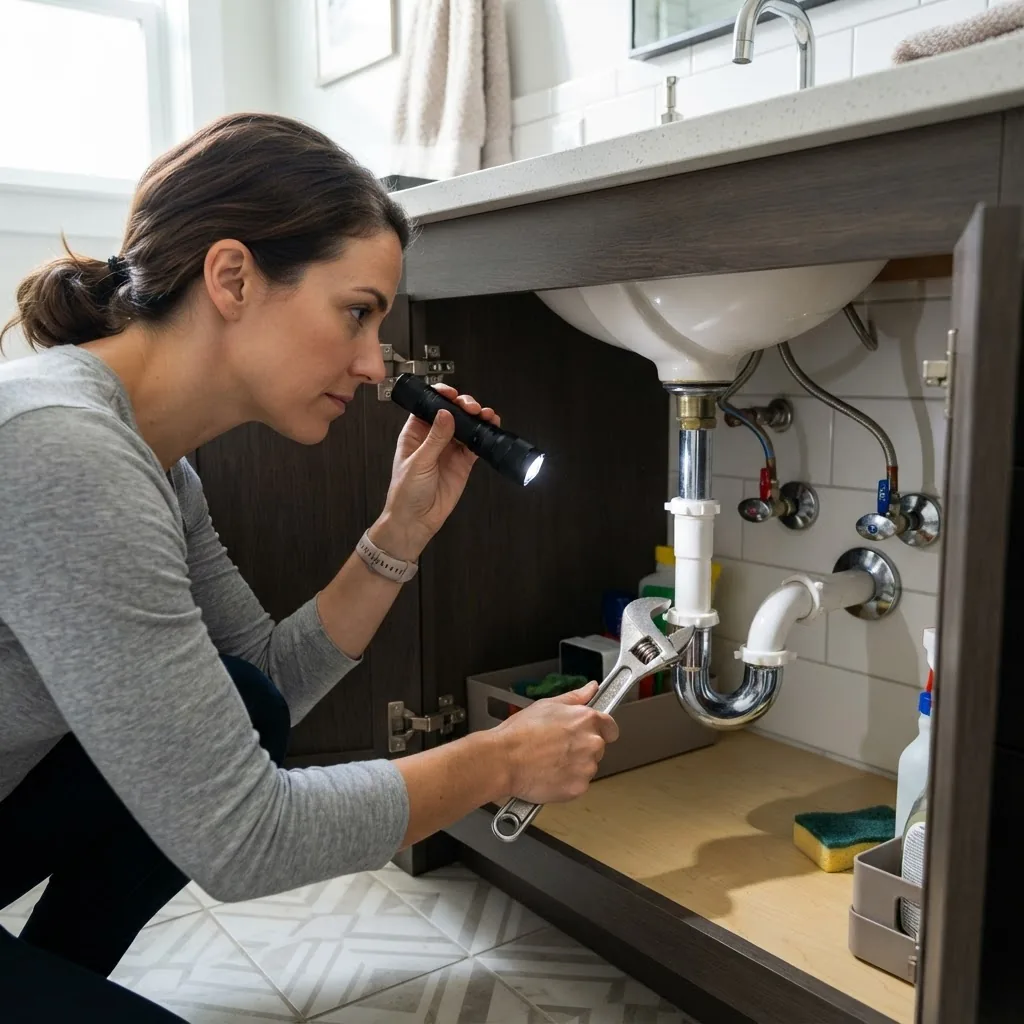
- Inspect for visible leaks — look under sinks, at the base of toilets, around the water heater and near laundry hookups. Use a flashlight. If you find hairline drips, tighten slip nuts 1/4 turn; if joints leak more, replace washers or call a pro.
- Check water pressure and flow — measure flow by timing how long it takes to fill a 1-gallon container from a kitchen tap. Less than 30 seconds suggests reduced flow (pressure or clogged aerator). Clean aerators quarterly: remove, soak in vinegar 30 minutes, scrub, and reinstall.
- Clear slow drains — use a plunger, then a hand auger for sink clogs up to 10 feet. Avoid chemical drain cleaners; they can damage pipes. For recurring slow drains, remove and clean P-trap (place bucket under trap, loosen slip nuts).
- Service the water heater — drain 1–2 gallons into a bucket to remove sediment every 6–12 months if you have hard water. Follow frequency of flushing your water heater guidance and consider professional professional water heater maintenance services if sediment is heavy.
- Insulate exposed pipes — fit 3/8″ to 1″ foam pipe insulation on cold-water lines and vulnerable hot-water runs; in climates below 20°F, increase insulation thickness and add heat tape on exposed runs.
- Test shutoff valves — close and open each fixture shutoff valve once a year to keep them operational. If a valve is stiff or leaks, replace the valve or hire a plumber.
- Inspect water heater connections and drains — check the pressure-relief valve by lifting the test lever until a quick flow occurs; if it won’t reseat fully, replace the valve and consult preventive water heater maintenance resources.
- Address boilers and hot-water systems — for homes with boilers, follow the hot water heat boiler maintenance checklist: bleed radiators as needed, check expansion tanks, and have annual professional service.
- When to call a pro — green water, persistent pressure loss, gas odors near water heater, or leaks that worsen when fixtures are used require immediate professional attention.
Electrical System Maintenance
Electrical upkeep is critical for safety. Always shut off circuits at the breaker before working; if you are unsure, hire a licensed electrician. Follow these how-to steps quarterly and annually.
- Test smoke and CO detectors — press the test button monthly; replace 9V or AA batteries annually or as soon as low-battery chirp begins. Replace smoke detectors every 10 years and CO detectors every 5–7 years per manufacturer instructions and local code guidance. For code references see HUD safety guidance.
- Check breakers and panels — visually inspect the panel for rust, moisture or burning smell annually. If a breaker trips frequently on the same circuit, label the circuit, unplug loads, and call an electrician to investigate overloaded or faulty wiring.
- Test GFCI/AFCI outlets — press the test and reset buttons every 3 months on GFCI outlets (kitchen, bathroom, garage) and use an outlet tester to verify correct wiring. If resets fail, replace the outlet or hire an electrician.
- Inspect outlets and cords — look for scorch marks, loose-fitting plugs, or warm outlets. Replace damaged cords and avoid extension cords for permanent loads. For appliance outlets with discoloration or heat, shut off power and consult an electrician.
- Clean light fixtures and ceiling fans — shut off the circuit, let bulbs cool, then remove dust and grime; tighten loose connections in fixtures (use a multimeter to confirm power is off).
- Conduct a visual wiring check — in basements and attics, inspect for rodent damage, loose staples, or exposed splices. Any unprotected splices or cloth-insulated wiring over 50 years old should be evaluated by a licensed pro.
- Record and escalate — log any repeated trips, odors, or heat at panels. According to a 2023 industry safety update from national fire associations, electrical faults are a leading household fire cause—address early.
Roof and Gutter Maintenance
Water is the single biggest threat to a home; keep roof and drainage paths clear and watertight. Respect ladder safety and never work on a steep roof alone.
- Remove debris from roof and valleys — quarterly in leaf season: clear branches and leaves by hand or with a soft broom; avoid metal tools that can damage shingles.
- Clean gutters and downspouts — remove debris by hand or scoop; flush with a hose for flow. Aim for 2–3 inches of clear channel from the roof-to-downspout transition. For DIY guidance see DIY gutter cleaning tips or consider a professional gutters cleaning service for multi-story homes.
- Inspect shingles and flashing — look for cracked, curling, or missing shingles and damaged flashing around chimneys and vents; replace or seal with roofing-grade caulk where small gaps exist; for larger damage consult a roofer.
- Check roof drainage — ensure downspouts discharge at least 3–6 feet from foundation or into drainage swales. Standing water at foundation edges is a red flag for potential basement leaks.
- Trim overhanging branches — keep limbs 6–8 feet from roof to minimize debris and risk of branch damage during storms.
- When to hire help — major shingle loss, sagging roof deck, significant leaks, or work on steep/second-story roofs are jobs for licensed roofers with proper fall protection.
Appliance Maintenance Basics
Appliances are major energy and repair costs; simple routines keep them efficient. Follow these steps monthly to quarterly.
- Clean and replace filters — refrigerator filters every 6 months, dryer lint trap every load and vent line cleaned annually, dishwasher filter cleaned monthly.
- Check seals and gaskets — fridge/freezer door gaskets: press a piece of paper between seal and door; if it slides out easily, replace gasket to prevent energy loss.
- Clean refrigerator coils — vacuum coils twice yearly; reduced dust increases efficiency 5–10% per DOE findings.
- Inspect hoses and connections — washing machine and dishwasher supply hoses: replace rubber hoses every 5 years or braided stainless steel hoses every 10 years; look for bulges or leaks.
- Level and ventilate — ensure appliances sit level; maintain 1–2 inches clearance for ventilation on older units per manufacturer recommendations.
HVAC System Quick Overview (link out to pillar)
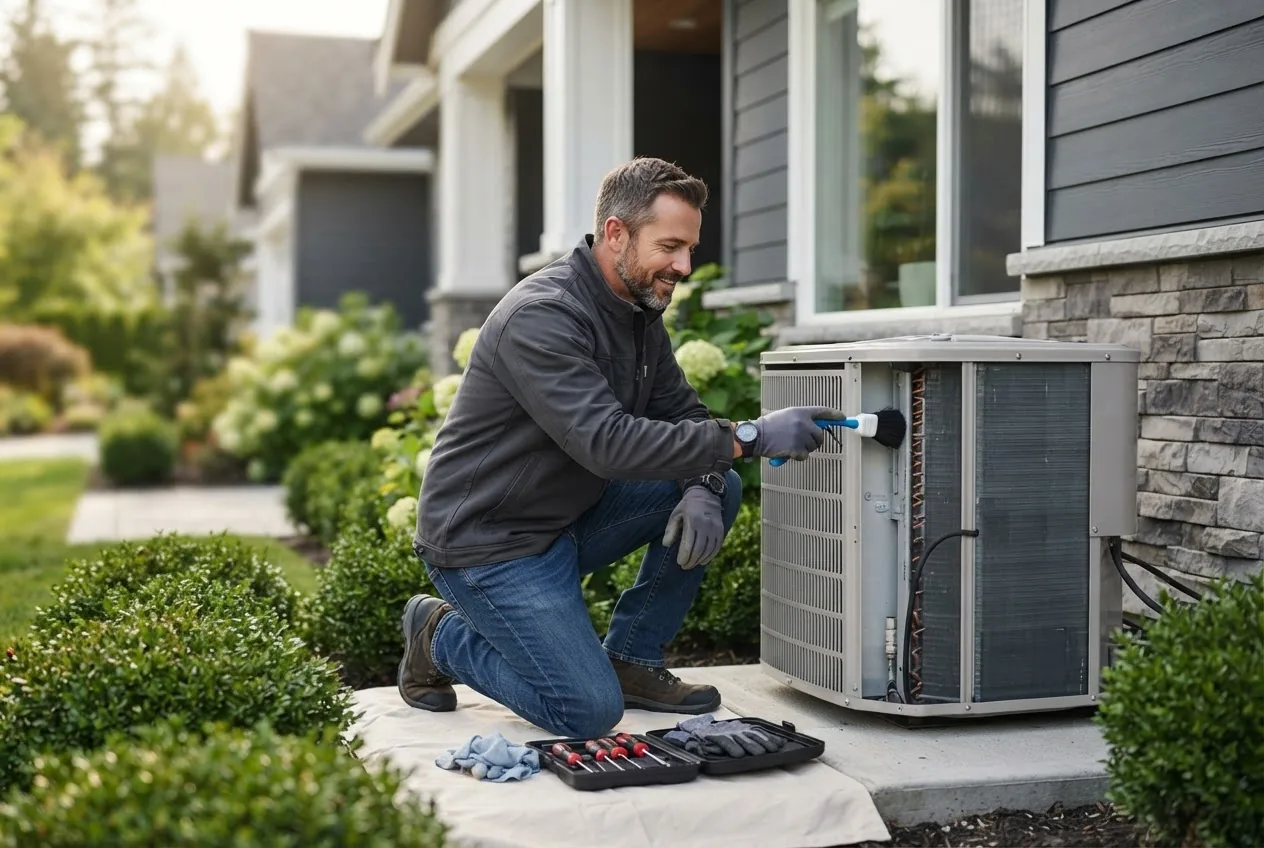
HVAC is a major system but covered in depth on the pillar guide. For an overview: replace filters regularly, clear condensate drains, check thermostats and refrigerant lines for signs of leakage, and schedule professional tune-ups annually. For full guidance see the pillar
Air Conditioner Maintenance and Service Guide for Homeowners.
If you want service plans or specialized options see
maintenance plan options for air conditioners, and for furnace care consider
furnace cleaning services. Additional HVAC topics include
gas heater maintenance and furnace cleaning,
heating tune-up and furnace maintenance, and
heat pump repair and maintenance. For AC upkeep basics consult
tips for effective AC maintenance and learn
AC tune-up components.
Transition: now that system checklists are clear, assemble the tools you need to do this work safely and efficiently.
Tools and Supplies Needed for Effective Routine Maintenance
A well-organized toolkit saves time and prevents mistakes. Below is a practical list you’ll use across plumbing, electrical and general home upkeep.
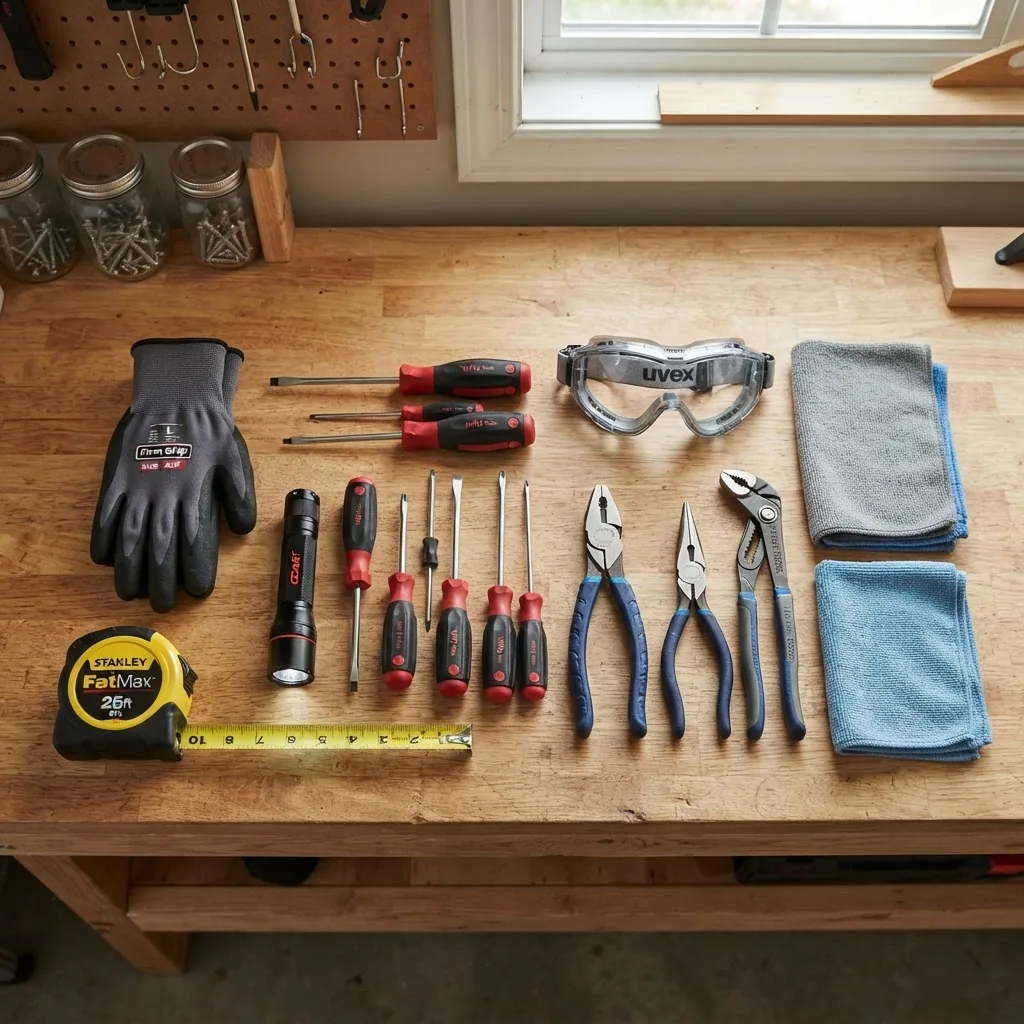
- Basic toolkit — adjustable wrench set (6″–12″), screwdriver set (Phillips and flat), needle-nose pliers, slip-joint pliers, utility knife, tape measure.
- Safety gear — safety goggles, nitrile gloves, work gloves, dust mask (N95), non-slip ladder rated for your height, hearing protection.
- Electrical tools — non-contact voltage tester, digital multimeter, outlet tester, insulated screwdrivers.
- Plumbing tools — basin wrench, small hand auger (10 ft), pipe joint compound, plumber’s tape (PTFE), slip-joint pliers, bucket and rags.
- Cleaning & inspection — shop vacuum or wet-dry vac, soft-bristle broom, coil brush for refrigerators, vinegar for scale, caulk gun and silicone caulk.
- Consumables & spares — HVAC filters (correct sizes for 6 months), spare smoke/CO batteries, spare faucet washers, replacement hoses for appliances.
- Record-keeping — spiral notebook or maintenance app, digital camera or smartphone for photos, labelled zip-lock bags for small parts.
- When to upgrade tools — if you work regularly, buy a cordless drill with torque control and a quality multimeter with CAT III rating for safety around household panels.
Transition: tool list covered, let’s be realistic about what you should DIY and when to bring in professionals.
When to DIY and When to Hire Professionals
Some tasks are easy, safe, and cost-effective to DIY; others carry safety, code and warranty issues and should be performed by licensed technicians. The table below summarizes the trade-offs.
| Task | DIY Pros | Hire Professional When |
|---|---|---|
| Replace HVAC filter | Low cost, quick, improves airflow | If you detect refrigerant leaks, abnormal noises or repeated trips — call pros. |
| Unclog sink | Plunger/hand-augur fixes most clogs | If multiple drains are slow or you detect sewer smells — hire a plumber. |
| Replace outlet or light fixture | Simple outlet swaps if power is off and wiring is standard | If you find knob-and-tube wiring, non-standard connections, or breaker issues — call an electrician. |
| Roof repairs over steep pitches | Minor shingle replacement on low pitches with fall protection | Sagging decks, structural roof damage, or 2+ story roofs need certified roofers. |
| Water heater maintenance | Draining a few gallons to remove sediment can be DIY | If you find corrosion, gas leaks, or fail-to-reset pressure relief valve, hire a pro — see professional water heater maintenance services. |
Side note: For HVAC-specific professional work see
professional aircon maintenance and repair services,
aircon servicing and installation contractors, and
local air conditioning repair services. For furnace and heating emergencies see
furnace repair and maintenance services and
preventive maintenance services.
Transition: keep the routine alive with practical habit and record-keeping tips below.
Tips for Maintaining Your Home Maintenance Routine Successfully
Turn maintenance into an easy habit with these proven methods used by busy homeowners and contractors.
- Set recurring reminders — use your phone calendar with reminders 7 days and 1 day before each seasonal block. Block 2–4 hour slots so work fits in real time.
- Create simple checklists — print a one-page checklist for monthly, quarterly and seasonal tasks and pin it to a utility closet. After each task, write date, initials and part numbers.
- Budget and save — set aside 1–3% of home value annually (e.g., a $300,000 home → $3,000–$9,000/year) for predictable upkeep and unexpected repairs; this avoids deferred maintenance.
- Use the “one-touch” rule — when you find a loose screw, fasten it immediately; for small caulk failures, seal them the same day to prevent water intrusion.
- Keep consumables stocked — keep 12 months of commonly used filters and batteries; buying in bulk saves money and ensures you won’t delay replacements.
- Use photos and digital logs — photograph problem areas before and after fixes; store logs with dates and receipts for warranty and resale value.
- Outsource difficult or time-consuming tasks — for annual heavy-lift tasks such as gutter cleaning or dryer vent clearing, schedule a pro during your seasonal block. See
effective cleaning tips for your home,
how to clean your house properly and easily, and
deep cleaning your home for deep-clean tasks. - Review the previous year — each autumn, review the year’s maintenance ledger and adjust frequencies or hire specialists if tasks repeated or costs rose.
Transition: before you begin your first seasonal block, review common mistakes I’ve observed and how to avoid them.
Common mistakes and how to avoid them
I’ve seen these recurring failures in homeowner maintenance routines; each is easy to fix with the right habit.
- I once skipped documenting a small leak; two months later it cost five times more to repair. Avoid this by logging every issue and photo-tagging it immediately.
- I used chemical drain cleaners weekly and later found corroded traps. Use mechanical clearing (plunger/auger) and only use enzyme cleaners on recurring slow drains.
- I tightened a loose roof shingle with a nail, causing water entry. Use roofing-grade sealant and consult pros for larger areas—small fixes only on low-slope roofs.
- I reset a tripped breaker repeatedly instead of finding the cause; eventually it was arcing in a junction box. If a breaker trips repeatedly, unplug appliances and call a licensed electrician.
Compact checklist
- Monthly: test detectors, replace HVAC filters if needed, clean dryer lint, inspect visible plumbing.
- Quarterly: test GFCIs, vacuum refrigerator coils, inspect roofline and gutters, flush small amount from water heater.
- Seasonal: clean gutters, inspect and trim trees, service heating/cooling systems, insulate exposed pipes before freeze season.
- Record: date, action, parts, cost; set next scheduled date in calendar.
When to call in a professional
Call a licensed professional immediately if you encounter: major gas smells, continuous water running or rising bills suggesting hidden leaks, electrical burning smells or persistent breaker trips, structural sagging, or complicated HVAC failures. For water-heating or HVAC emergencies, refer to certified services:
furnace repair and maintenance services,
professional aircon maintenance and repair services,
aircon servicing and installation contractors, or contact local licensed pros quickly via
local air conditioning repair services.
Final takeaway: consistent, scheduled, and recorded routine maintenance prevents most costly failures. Start with the calendar you created above, use the system-specific checklists, keep tools and consumables stocked, and contact professionals when safety or code issues arise. Start today by setting one recurring calendar reminder for monthly detector tests and one for a seasonal block within the next 30 days.