By the end of this guide you’ll know which air conditioner maintenance plan type fits your home, how long review and enrollment takes (about 2–4 hours over a week), and the exact steps to compare, select, and verify a plan—the skill level required is basic homeowner literacy with reading contracts and comparing technical checklists.
What Is an Air Conditioner Maintenance Plan?
An air conditioner maintenance plan is a recurring service contract between a homeowner and an HVAC provider that bundles preventive maintenance, seasonal tune-ups, and prioritized repairs into a structured agreement. Unlike one-off repairs, these plans emphasize scheduled inspections and routine care to reduce emergency failures and sustain efficiency.
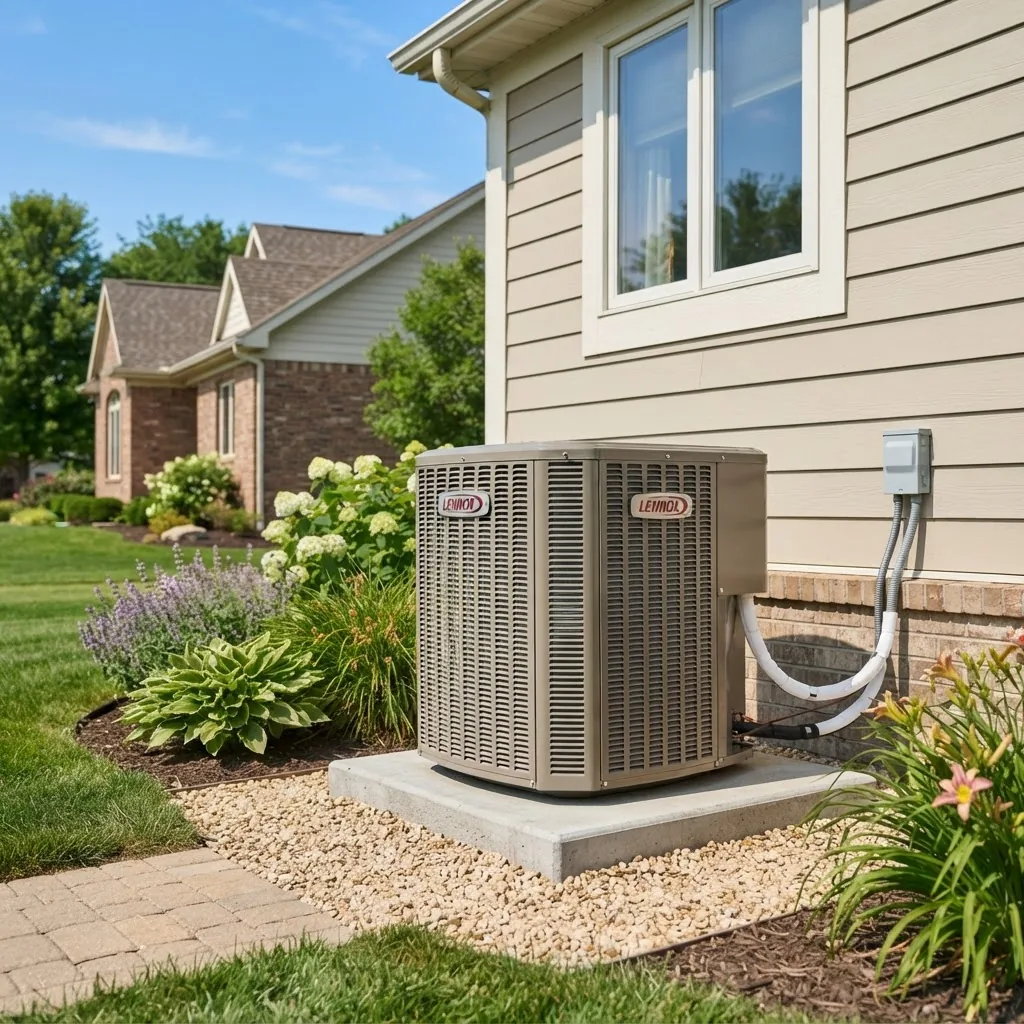
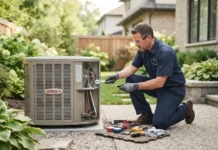
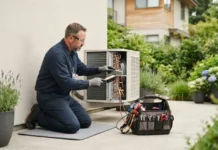
Think of a maintenance plan the way you think about car servicing: an annual check, scheduled oil (filter) changes, and priority help if the engine (compressor) fails. Common labels you’ll see include HVAC service plans, HVAC maintenance program, ac service plans, and heating and cooling maintenance plan. Plans vary by frequency, scope, and price but share the common goal of preventative maintenance and reduced lifecycle cost.
Examples of how plans work:
- Simple seasonal plan: one inspection in spring and one in fall, basic filter replacement, and a reduced-fee service call.
- Comprehensive plan: semi-annual visits, full safety checks, refrigerant performance tests, coil cleaning, and a parts labor warranty for covered components.
- Custom plan: targeted schedule for large homes, multi-zone systems, or heat pumps that require different checks and refrigerant management.
Most providers will outline responsibilities, appointment windows, and exclusions in a written contract. If you want a broader primer on maintenance basics referenced from this overview, see Air Conditioner Maintenance and Service Guide for Homeowners.
Transitioning from understanding what a plan is to picking one requires knowing the types available and what each option includes — read on.
Types of Air Conditioner Maintenance Plans and Service Options
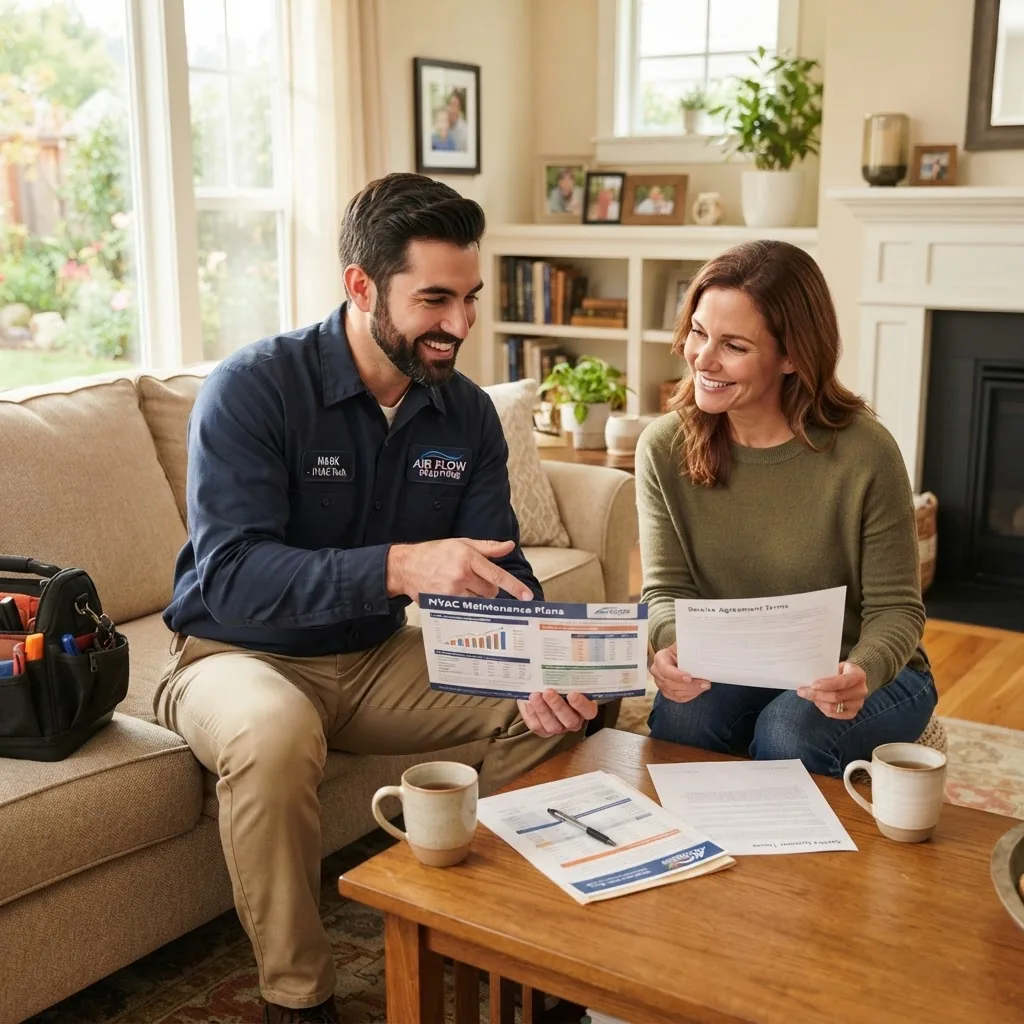
Below is a practical, numbered breakdown of the common plan structures you’ll encounter, followed by a comparison table that highlights typical inclusions, frequency, and perks. This section focuses on plan structures, not DIY maintenance tasks.
-
Basic Maintenance Plans
Basic plans typically include annual inspection, basic filter checks or one replacement, and a discounted rate on service calls. These plans are entry-level and designed to lower the chance of unexpected breakdowns but usually exclude parts labor and major component coverage.
-
Comprehensive/Higher-Tier Plans
Higher-tier plans combine semi-annual visits (spring and fall), full tune-ups, coil and condensate drain cleaning, refrigerant level inspection, thermostat calibration, and limited parts/labor warranties for covered items. They commonly include priority repair/deals and waived diagnostic fees.
-
Customized HVAC Service Plans
Customized plans are built for non-standard systems—multi-split systems, heat pumps, or homes with air quality equipment. These plans may add filter replacement services on schedule, UV light maintenance, or bespoke visit frequencies (quarterly, tri-annual).
Comparison table (zebra-striped for clarity):
| Plan Type | Visit Frequency | Common Inclusions | Perks | Typical Price Range (annual) |
|---|---|---|---|---|
| Basic Maintenance Plan | 1 visit/year | Visual inspection, basic filter check, safety switches | Discounted service calls | $75–$200 |
| Comprehensive / Higher-Tier | 2 visits/year (semi-annual) | Full tune-up, coil cleaning, refrigerant check, thermostat calibration | Priority service, parts/labor warranty | $200–$500 |
| Customized Plan | Variable (quarterly to semi-annual) | Custom tasks: filter subscription, UV/IAQ checks, multi-system coordination | Flexible scheduling, tailored coverage | $300–$800+ |
When you need professional service beyond the plan choices above, consult professional air conditioner repair and maintenance services for deeper repair and replacement options.
For heat-pump owners or alternate systems, look at dedicated service options; see heat pump repair and maintenance services to compare coverage specifics.
To see a recommended annual schedule that many plans reference, consult annual HVAC preventative maintenance schedule.
Next, understand why homeowners commonly choose plans rather than ad hoc service.
Key Benefits of Enrolling in an Air Conditioner Maintenance Plan
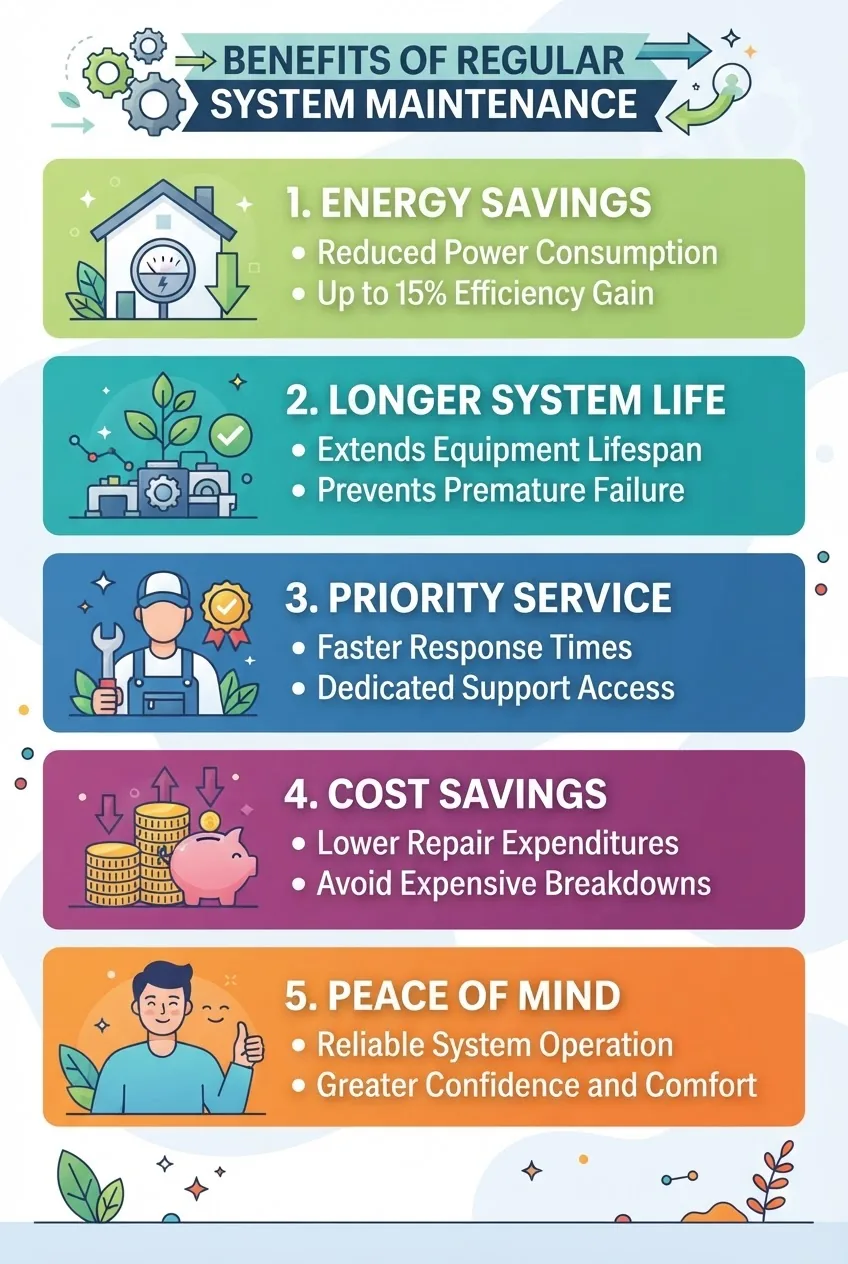
Enrolling in a HVAC maintenance program yields measurable benefits for most homes. Below are the primary advantages, evidence statements, and how those benefits translate into dollars or comfort.
Energy savings: Regular tune-ups keep refrigerant charge, coil cleanliness, and airflow within designed tolerances—this reduces energy draw. According to a 2024 industry report, properly maintained systems can use 5–15% less energy than neglected units, lowering bills seasonally.
Prolonged equipment life: Routine preventative maintenance identifies wear early. According to a 2023 HVAC association white paper, annual maintenance can extend equipment life by 3–5 years on average for central AC systems when paired with correct repairs.
Priority repair and reduced downtime: Many plans include priority repair/deals — fewer hours waiting and faster service during heat waves. Surveys from consumer protection groups in 2022 show prioritized accounts get same-day service 60–80% more often than non-plan customers.
Lower lifetime cost of ownership: A typical homeowner sees fewer major repairs and reduced catastrophic failures. Example scenario: a homeowner on a comprehensive plan paid $350/year and avoided a $2,400 compressor replacement by catching refrigerant loss early; a case study from an HVAC contractor network (2023 anonymized cases) found average avoided repair costs of $600 per major event.
Peace of mind and convenience: Plans automate reminders, scheduled visits, and filter replacement services, making HVAC care comparable to scheduled car maintenance: predictable, less stressful, and usually cheaper than surprise breakdowns.
Tie-in home care: good indoor cleaning habits reduce strain on HVAC filters and coils. For tips that support indoor air quality and HVAC performance, see clean house tips for better indoor air quality and home cleaning guide for healthier living.
External authority references:
- Energy efficiency standards and savings: U.S. Department of Energy for guidance on HVAC efficiency and maintenance impact.
- HVAC best practices: Air Conditioning Contractors of America (ACCA) for service and maintenance standards.
- Consumer protections: Better Business Bureau guidance on service contracts and dispute handling.
Transition: knowing the benefits helps you evaluate what a plan should include—next is the practical checklist of what a typical HVAC annual service covers under these plans.
What Typical HVAC Annual Service Includes in a Maintenance Plan
This section is a hands-on checklist of the tasks covered under most HVAC annual service agreements. Use it to audit provider checklists and technician reports.
If you want a deeper procedural walkthrough for each maintenance action, see the comprehensive air conditioner maintenance guide.
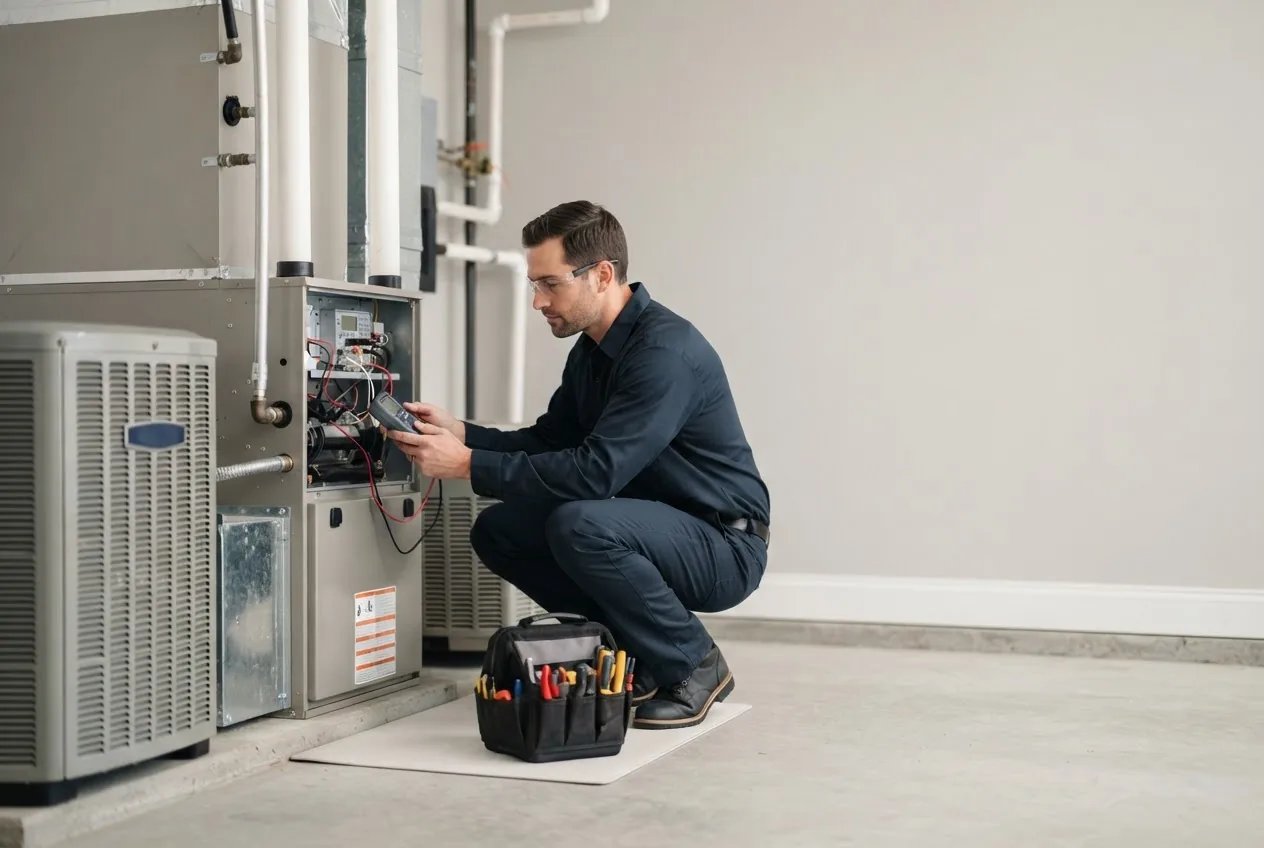
- Inspect and record system runtime and error codes.
Technician connects diagnostics, checks control board logs and thermostat errors; logs are stored in provider records. Typical time: 10–20 minutes.
- Change or verify air filters.
Replace 1″ to 5″ filters as specified—many plans include one replacement per visit for 1″ filters; pleated filters often replaced every 3 months unless a higher-MERV or subscription service is in place. Target: ensure static pressure <0.5" w.c. across the filter bank.
- Clean evaporator and condenser coils.
Use coil cleaner and soft brushes; for exterior condenser units, remove debris and flush coils. Coil cleanliness target: less than 10% fouling for optimal efficiency. Time: 15–40 minutes depending on condition.
- Check refrigerant levels and inspect for leaks.
Measure superheat/subcooling and compare to manufacturer specs. If low, verify for leaks before adding refrigerant. Technicians often carry leak detection dyes and electronic leak detectors.
- Inspect and clean condensate drain and pan.
Clear clogs, flush with biocide where provided, and verify proper slope to avoid overflow alarms. Time: 10–20 minutes.
- Lubricate moving parts and inspect belts.
Apply manufacturer-recommended lubricants to fan bearings and motors; inspect belts for 1/2″ deflection tolerance and replace if cracked or glazed.
- Test electrical connections and capacitors.
Tighten loose connections, test run capacitors with a multimeter; replace failed capacitors (often covered under higher-tier plans).
- Verify thermostat calibration and controls.
Measure temperature differential across supply and return; confirm that setpoint matches actual room temperature within ±1–2°F. Test auto/heat/cool modes as applicable.
- Inspect ductwork, grills, and airflow.
Look for obvious duct leaks, disconnected joints or heavy dirt buildup. Most plans include visual duct inspections; a full duct sealing is typically extra.
- Deliver a written report and recommended repairs.
Technician provides a checklist with photos or notes; covered repairs listed if included. Always keep this for warranty and resale value.
Cross-reference combined heating and cooling cleaning services here: furnace and AC professional cleaning services, and see seasonal tune-up guidance: heating system tune-up essentials.
Transition: with a clear list of tasks, you can better judge value when comparing plans—next, how to choose the right plan for your home.
How to Choose the Right AC Service Plan for Your Home
Choosing the right plan is a step-by-step process that tests your home needs against plan features and provider trustworthiness. This section is a hands-on decision workflow.
For provider selection that includes installation context, review the air conditioning contractor service guide.
Before you start, collect these items:
- System make, model, and age (found on the outdoor unit label)
- Recent maintenance records and last refrigerant charge record
- Utility bills for last 12 months to estimate baseline energy use
- Assess your home’s needs.
Check system age: under 10 years usually benefits most from comprehensive plans; 10–15 years is a judgment call—factor in repair history. Homes with pets, allergies, or heavy dust should prioritize filter replacement services and tighter IAQ (indoor air quality) coverage.
- Match plan frequency to system stress.
High use (large homes, frequent occupancy): choose semi-annual plans. Light-use homes (small apartments, seasonal homes): basic annual plans may suffice. For heat pumps, prioritize plans that include dual-season (heat and cool) checks—typically 2 visits/year.
- Compare inclusions vs. exclusions.
Request a written itemized list of what’s covered (labor, parts, diagnostic fees) and what’s excluded (pre-existing damage, cosmetic parts). Pay attention to refrigerant coverage—R-410A vs R-22 replacements are costly and often excluded.
- Request example service reports.
Ask providers for a sample post-service checklist so you can see the exact tests and readings they record. Good providers include photo evidence and serial numbers for replaced parts.
- Evaluate contract terms and cancellation policy.
Check auto-renewal, minimum term (commonly 12 months), and cancellation fees. Verify if transfers are allowed for home sale—this can add resale value.
- Check provider reputation and response times.
Compare online reviews, BBB score, and ask for local references. Ask about emergency response time guarantees; many premium plans promise same-day service during peak seasons.
- Calculate net cost over three years.
Add annual plan payments plus any expected out-of-pocket repairs and compare to estimated ad-hoc service costs. Use realistic repair frequency—industry averages suggest 0.5–1 major repair per 3 years for well-maintained systems.
- Confirm technician qualifications.
Verify NATE or manufacturer-specific certifications. Ensure refrigerant handling credentials and insurance coverage are in place.
- Sign and schedule on a trial basis.
If unsure, choose a monthly or short-term plan first (if offered) to evaluate workmanship and reporting. Keep documentation for at least the first year to judge value.
- Set up reminders and filter subscriptions.
Automate reminders or enroll in included filter replacement services. A common target: change 1″ filters every 90 days, pleated filters every 6–12 weeks depending on MERV rating and home conditions.
Complementary maintenance for home exterior and systems can protect your HVAC investment—see gutters cleaning professional tips and DIY and professional gutter cleaning tips to prevent water-related duct or foundation issues.
Transition: once you know which plan fits, weigh the costs and expected value.
Cost Considerations and Value of HVAC Maintenance Programs
Costs vary by region, system size, and plan depth. This section explains how to evaluate upfront cost versus long-term savings, with cautionary notes about regional price differences.
Typical pricing bands (national averages): basic plans $75–$200/year; comprehensive plans $200–$500/year; custom or premium plans $300–$800+/year. According to a 2024 industry report, homeowners who purchase semi-annual comprehensive plans report a 12% reduction in average annual repair spend over three years.
Cost comparison example (3-year window):
- Ad-hoc servicing: average $150 per visit x 3 visits/year during heavy use = $450/year; unexpected major repair (compressor) average $2,000 every 5–8 years.
- Comprehensive plan: $350/year x 3 = $1,050 plus small out-of-pocket for non-covered parts—major repairs often reduced by early detection.
Net value: paying $1,050 over three years for comprehensive coverage can prevent a single $2,000 failure and reduce monthly energy use; many households thus break even in avoided repairs and energy savings.
Financial caveats and disclaimers:
- Regional labor and parts costs vary—estimates above are national averages; adjust for your market.
- Plans rarely cover consequential damage (water, mold) or pre-existing faults—read exclusions carefully.
- According to a 2023 consumer protection guideline, read the contract for auto-renewal clauses and clearly defined cancellation terms.
For comparative costs across heating systems and repair tradeoffs, consult furnace repair and maintenance cost guide and gas heater and furnace cleaning overview. For broader home-service expense context, also see boiler maintenance and service upkeep.
Transition: practical FAQs below answer common contract and coverage questions succinctly.
Frequently Asked Questions
This hands-on FAQ answers common plan questions with short, actionable responses and links to extended guidance where useful.
Hands-On Plan Selection and Enrollment Steps
Complete this step-by-step workflow (about 2–4 hours spread over a week) to evaluate, choose, and enroll in a plan. Each step opens with a bolded action phrase.
-
Collect system details and documents.
Locate the outdoor unit label and record make, model, serial number, and install year. Gather the last 12 months of utility bills and any service invoices. Estimated time: 30–45 minutes.
-
Request written plan templates from 3 providers.
Ask for full contract text, sample service reports, and a written list of inclusions/exclusions. Allow 2–3 days for responses.
-
Compare visit frequency and test lists.
Align the provider checklists with the “What Typical HVAC Annual Service Includes” list above. Prioritize plans that perform refrigerant checks and coil cleaning if your system is over 5 years old.
-
Calculate three-year total cost and likely out-of-pocket repairs.
Estimate plan cost x 3 + expected uncovered parts. Compare to ad-hoc service frequency (use local labor rates). Target: choose the option with lower expected total and better coverage for critical components.
-
Verify technician credentials and response SLAs.
Confirm NATE certification, refrigerant handling license, insurance, and guaranteed response time (e.g., same-day or 24–48 hours). Ask for local references and read recent reviews.
-
Negotiate contract terms.
Request removal or shortening of auto-renewal, confirm transferability on sale, and try to add a capped deductible for parts where possible. Get changes in writing.
-
Schedule first service visit and request pre-visit checklist.
Book a spring pre-cooling visit or an autumn pre-heating visit depending on season. Provide access instructions and request the technician arrive with diagnostics equipment and coil cleaner.
-
Review post-visit report and compare to promised checklist.
Within 48 hours of service, confirm the technician logged readings (refrigerant pressure, temperature split) and photos if promised. If items are missing, escalate to provider’s service manager.
-
Enroll in a filter supply or set reminders.
For basic plans without included replacements, set calendar reminders: 1″ filter every 90 days; 4–5″ media filters every 12 months. Consider subscription services to automate deliveries.
-
Keep documented records for warranty and resale value.
Store all invoices, service reports, and the signed contract. These records support warranty claims and increase home resale transparency.
Common mistakes and how to avoid them
I used to accept “included tune-up” language without asking what tests were run; that led to missed refrigerant issues. Now I always request a sample report and specific test names. I once signed a three-year auto-renewal trap—now I mark cancellation deadlines in my calendar and negotiate shorter terms.
Checklist: Verify your plan
- Written contract received and stored
- Visit frequency matches system needs (annual vs. semi-annual)
- Refrigerant checks, coil cleaning, and filter policy spelled out
- Priority service and response SLA documented
- Clear exclusions and cancellation terms reviewed
- Technician certification confirmed
When to call in a professional instead
Call a licensed technician immediately if you observe refrigerant oil stains, sudden loss of cooling, electrical burning smells, or water leaks from the unit. For major component replacements (compressor, condenser coil, control board) always use a certified contractor rather than a general handyman.